

Renewable Heating vs JM Renewables: Comparison Guide
Table of Contents
Renewable Heating Options Explained
Air Source Heat Pumps
Air-to-Air vs Air-to-Water Systems
MCS-Certified Heat Pump Installers: What Sets Them Apart
Heat Pump Survey and System Design: The Foundation of Performance
Heat Pump Installation Quote Checklist: What to Review
Heat Pump Installation Warranties and Aftercare: Long-Term Protection
Why Installer Choice Matters for Renewable Heating Success
Frequently Asked Questions
Last Updated: 16 October 2026
Renewable Heating Options Explained
When homeowners in Wales consider replacing fossil fuel heating, they face a critical choice: which renewable heating system will actually deliver the savings and performance they need? At Heatgeek Wales, we help property owners navigate this decision by breaking down exactly how different heat pump technologies work and what sets certified installers apart from the rest.
Renewable heating systems have evolved significantly. The most common option today is the air source heat pump, which extracts warmth from outside air even in cold weather and transfers it into your home. This technology is proven, efficient, and eligible for government support schemes like the Boiler Upgrade Scheme. But not all installations perform equally. The difference between a well-designed system and a poorly installed one can mean the difference between genuine savings and disappointing results.
This guide compares renewable heating approaches and explains why installer choice matters more than most homeowners realise. We'll walk you through what makes an MCS-certified installation different, what a proper survey actually reveals, and how to evaluate quotes so you can make a confident decision.
Air Source Heat Pumps
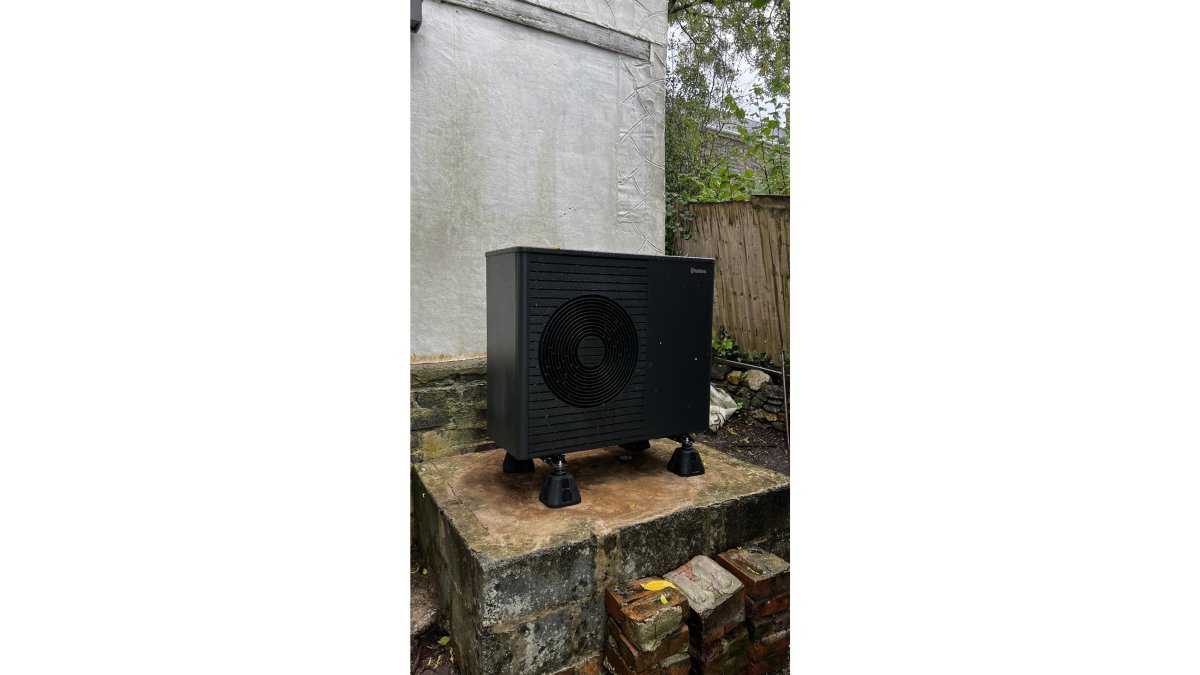
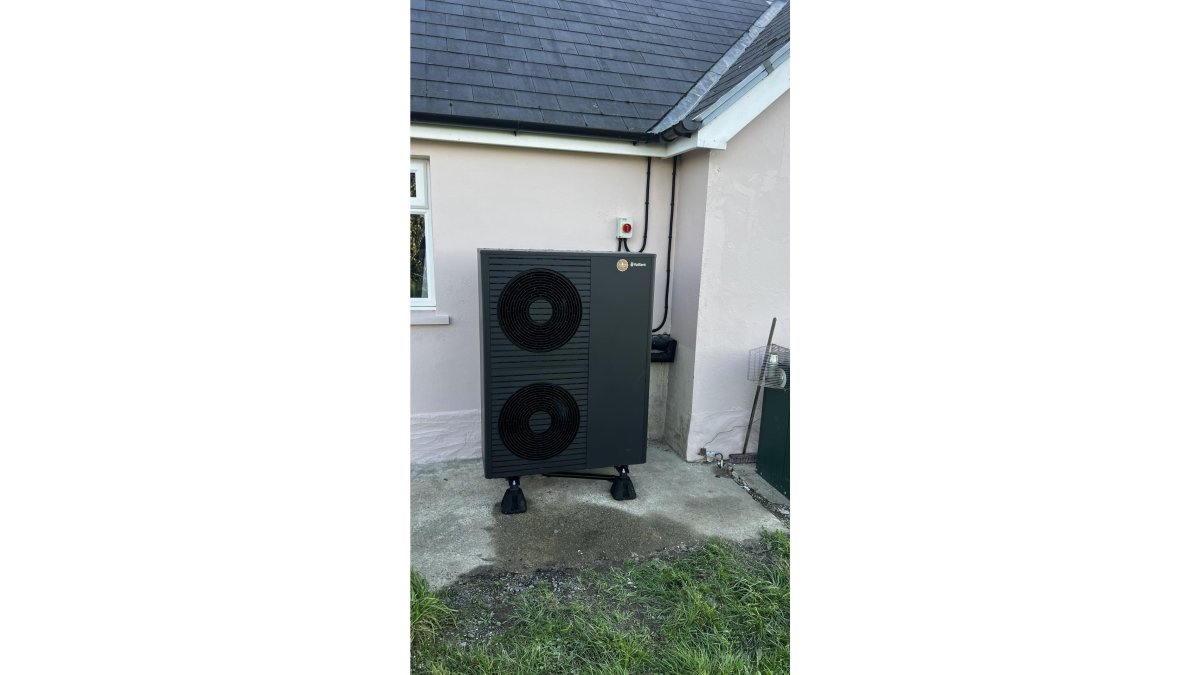
An air source heat pump is a renewable heating system that pulls thermal energy from the outdoor air and uses it to heat your home and water. Even when temperatures drop below freezing, the system continues to extract usable warmth. A refrigerant circulates through an outdoor unit, absorbs heat from the air, and transfers that energy indoors through a heat exchanger. Your existing radiators or underfloor heating then distributes the warmth throughout your property.
The efficiency of an air source heat pump is measured by its Coefficient of Performance (COP). A system with a COP of 3.5 means that for every unit of electricity consumed, the system delivers 3.5 units of heat. Modern systems typically achieve 3.0 to 4.0 COP under real-world conditions, though this varies depending on outdoor temperature, system design, and how well your property is insulated.
Air source heat pumps work across a range of property types, from modern builds to older stone cottages. The key variable is not the age of your home but the quality of the survey and system design. A thorough heat loss assessment determines the right size pump, the correct flow temperature, and whether your existing heat distribution system needs upgrading. This is why we always conduct a detailed on-site survey before recommending a system.
Air-to-Air vs Air-to-Water Systems
Two main configurations exist for air source renewable heating: air-to-air and air-to-water. Understanding the difference helps you choose the right approach for your property.
Air-to-air systems (also called heat pump air conditioning) distribute warm air through ducting or wall-mounted units. These work well in properties with open-plan layouts or where running radiators isn't practical. Installation requires ducting routes through walls and ceilings. They're often preferred in new builds or renovations where the infrastructure can be planned from the start.
Air-to-water systems connect to your existing central heating circuit. Warm water flows through your radiators or underfloor heating exactly as it would from a traditional boiler. This approach suits most existing homes because it uses the heating infrastructure already in place. No ducting is needed. For properties with radiators, an air-to-water heat pump is typically the most straightforward retrofit.
The choice between these two depends on your property layout and existing heating system. Air-to-water systems are more common in retrofit scenarios because they minimise disruption and work with familiar heating controls. Air-to-air systems offer flexibility in new builds or major renovations where you're designing the heating layout from scratch.
System Type | Best For | Installation Complexity | Works With Existing Radiators |
Air-to-water | Retrofit installations, existing radiator systems | Moderate | Yes |
Air-to-air | Open-plan layouts, new builds, ductwork feasible | Higher | No |
MCS-Certified Heat Pump Installers: What Sets Them Apart
The Microgeneration Certification Scheme (MCS) is the UK standard for renewable heating installations. An MCS-certified installer has demonstrated competence, follows strict installation protocols, and is authorised to certify systems for government funding schemes. This certification matters because it's the gateway to grants and because it signals genuine technical knowledge.
Not all installers who fit heat pumps hold MCS accreditation. Some operate without it, often charging less upfront but leaving you ineligible for Boiler Upgrade Scheme support or unable to prove system compliance if issues arise later. An MCS-certified installer has passed independent assessment, maintains ongoing professional development, and is audited regularly to ensure standards are upheld.
When you work with an MCS-certified provider like Heatgeek Wales, you're getting more than just installation. You're getting access to certified engineers who understand heat loss calculations, system design principles, and the specific requirements of different property types. We use data-backed approaches based on thousands of previous surveys. This expertise translates into systems that perform as designed and deliver the savings we project.
MCS certification also means your installation is registered with the scheme, creating a verifiable record. If you ever sell your property, that certification adds value and transparency. Buyers and surveyors can confirm that the system was installed to recognised standards by a qualified provider.
Heat Pump Survey and System Design: The Foundation of Performance
A proper heat loss survey is the foundation of any successful renewable heating installation. This isn't a quick walkthrough. It's a detailed assessment that measures your property's thermal characteristics and determines exactly what size and specification heat pump will meet your heating demand.
During a survey, engineers measure room dimensions, assess insulation levels, check window types, examine ventilation, and evaluate how heat currently flows through your property. They gather data on your current heating usage and fuel costs. This information feeds into heat loss calculations that determine the kilowatt output your heat pump needs to deliver.

The survey also identifies whether your property needs preparatory work. Homes with poor insulation or draughty windows may benefit from improvements that reduce heating demand and improve heat pump efficiency. We're transparent about this. Sometimes the best investment is insulation first, heat pump second. Other times, the heat pump upgrade alone delivers sufficient savings to justify the investment.
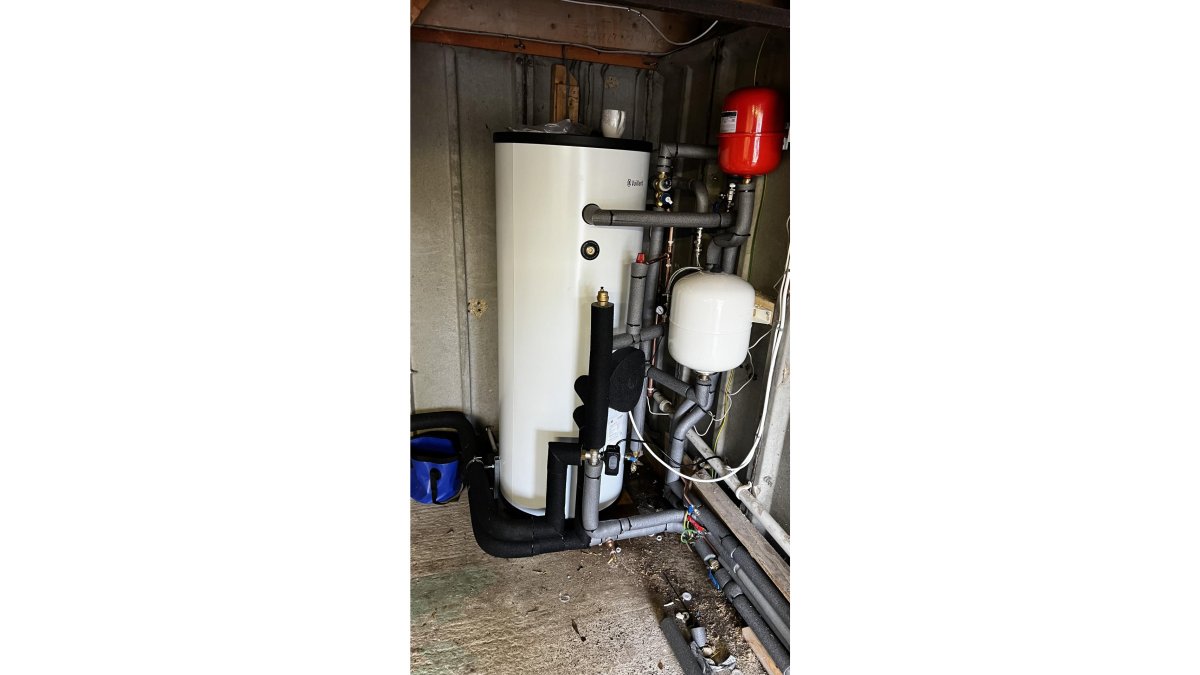
System design follows from the survey data. Engineers specify the pump capacity, the flow temperature needed, the size of any buffer tank, and the configuration of heating circuits. They determine whether your existing radiators can work with the heat pump or whether they need upgrading.
Heat Pump Installation Quote Checklist: What to Review
When you receive quotes from heat pump installers, several items should appear in every quote. Use this checklist to compare proposals fairly and identify red flags.
System specification: The pump model, output in kilowatts, and configuration (air-to-water or air-to-air) should be clearly stated. If a quote just says "heat pump" without detail, ask for specifics.
Heat loss calculation: Look for evidence that a survey was conducted. The quote should reference the calculated heating demand and explain how the pump size was chosen.
Existing heating assessment: Does the quote address whether your radiators need upgrading or whether your heating system needs modifications? Vague language here often means hidden costs later.
Installation scope: What's included? Pump installation, pipework, controls, commissioning, and testing should all be listed. Clarify what's extra.
Warranty and aftercare: How long is the equipment warranty? Is there a service plan? What happens if the system underperforms?
MCS certification: Confirm the installer is MCS-accredited and that the quote includes registration with the scheme.
Timeline: When can work start? How long will installation take? What's the commissioning process?
A thorough quote takes time to prepare because it's based on actual survey data and considered system design. If a quote arrives within hours of an initial enquiry, it's likely generic. At Heatgeek Wales, we conduct a full survey before quoting because we want to give you an accurate assessment based on your specific property, not an estimate that changes once work begins.
Heat Pump Installation Warranties and Aftercare: Long-Term Protection
Warranties protect your investment, but they vary significantly between installers. Understanding what's covered and for how long is crucial.
Most heat pump manufacturers offer 5 to 10 years warranty on the pump itself. This covers component failure and defects in workmanship by the manufacturer. Labour costs for repairs are sometimes included, sometimes not. Read the warranty terms carefully. Some warranties require annual servicing to remain valid. Others are voided if the installation wasn't done to their specification.
Installation warranties from your installer are separate. A reputable MCS-certified installer typically guarantees their workmanship for 5 to 10 years. This covers installation quality, pipework integrity, and system configuration. If a radiator connection fails or a control valve malfunctions due to poor installation, the installer's warranty should cover the repair.
Aftercare and monitoring add real value. At Heatgeek Wales, we provide 24/7 remote system monitoring and optimisation. Your heat pump sends performance data to our team continuously. If efficiency drops or a fault develops, we detect it early and address it before it becomes a problem. This proactive approach keeps your system running at peak performance and often catches issues before you notice them.
Some installers offer optional service plans that include annual checks, filter changes, and priority support. These plans cost money but can save you far more by preventing breakdowns and extending system life. When comparing quotes, ask what aftercare is included and whether monitoring is standard or optional.
Why Installer Choice Matters for Renewable Heating Success
The renewable heating technology itself is mature and reliable. Heat pumps manufactured by established brands like Vaillant have proven track records across millions of installations. The performance difference between systems comes down to three factors: survey quality, system design, and installation expertise.
A poor survey leads to an undersized or incorrectly configured system. A weak design wastes the potential of good equipment. Careless installation creates inefficiency, noise, and reliability issues. Conversely, a thorough survey, thoughtful design, and skilled installation unlock the full potential of the technology. This is why comparisons ultimately come down to installer capability, not just equipment choice.
MCS certification is the baseline standard. It confirms your installer meets minimum competence requirements and understands regulatory obligations. But the best installers go further. They invest in detailed surveying, data-backed design, and continuous professional development. They monitor systems after installation and optimise performance based on real-world data. They're transparent about costs, timelines, and what to expect.
When you choose an installer, you're choosing the difference between a system that delivers promised savings and one that disappoints. You're choosing whether your investment is protected by genuine aftercare or abandoned once the invoice is paid. At Heatgeek Wales, we've built our reputation on getting this right.
Choosing renewable heating for your Welsh home is a significant investment in your future comfort and energy independence. The technology works. The question is whether your installer has the expertise and commitment to make it work for you.
Frequently Asked Questions
What should I compare when choosing a renewable heating installer?
Focus on MCS certification, the quality of their survey and system design process, what warranties and aftercare they offer, and how they handle remote monitoring and optimisation. Ask for references from homeowners with similar properties, and request a detailed quote breakdown. Verify their credentials independently through the MCS register before committing.
How can I check if a renewable heating installer is MCS-certified?
Visit the MCS register on the official Microgeneration Certification Scheme website and search by company name or postcode. MCS certification is essential for claiming government grants like the Boiler Upgrade Scheme. Never rely on an installer's claim alone; always verify their certification status directly with the scheme.
What should a heat pump survey and system design include?
A thorough survey covers heat loss calculations, radiator sizing, property insulation assessment, and outdoor unit placement. The design should specify the exact heat pump model, pipe routing, and performance predictions based on your property's characteristics. Installers using data-backed designs from thousands of previous surveys deliver more reliable performance estimates than generic quotes.
What warranty and aftercare should I expect with a heat pump installation?
Look for manufacturer warranties on the heat pump itself (typically 5-10 years), plus installer workmanship guarantees. Aftercare should include 24/7 remote monitoring and optimisation to ensure peak performance. Some installers offer continuous system checks and adjustment, which helps maintain efficiency and catches issues early.
Can a heat pump work with my existing radiators in an older property?
Air-to-water heat pumps can work with existing radiators, though larger radiators may be needed to distribute heat efficiently at lower temperatures than traditional boilers. A proper survey will assess whether your current radiators are suitable or if upgrades are necessary. This is a key reason why detailed system design before installation is critical.
Click for your Instant heatpump estimate here
Comments