

Heat Pump Installation Timeline: A Step-by-Step Guide
Table of Contents
Understanding Your Heat Pump Installation Timeline
The Heat Pump Site Survey: Your Starting Point
What to Expect During the Survey
Survey Duration and Scheduling
Heat Pump Installation Preparation: Getting Your Home Ready
Essential Pre-Installation Checks
Access and Space Requirements
How Long Does Heat Pump Installation Take
Typical Installation Duration by Property Type
Factors That Can Extend Your Installation
The Heat Pump Commissioning Process Explained
System Testing and Performance Verification
Handover and Ongoing Monitoring
What to Expect During Installation Days
Daily Schedule and Disruption
Can You Stay at Home?
Planning Around Your Installation Timeline
Booking and Lead Times
Government Grants and Timeline Considerations
Frequently Asked Questions
Last Updated: 21 October 2026
Understanding Your Heat Pump Installation Timeline
The heat pump installation timeline in Wales typically spans 4-8 weeks from your initial survey to having a fully operational system.
Your timeline depends on several factors. Property size, system complexity, and grant eligibility all play a role. But the biggest variable is preparation, how ready your home is before installation day.
Most homeowners underestimate how much happens before the engineers arrive with equipment. The survey, design phase, and pre-installation checks often take longer than the physical installation itself. This isn't wasted time; it's what ensures your system performs at its best.
Pro Tip Book your site survey early. Even if you're not ready to install immediately, getting the survey done locks in your place on the schedule and gives you accurate information for grant applications.
The Heat Pump Site Survey: Your Starting Point
Your site survey is where everything begins. This is a detailed assessment of your property to determine whether a heat pump will work effectively and what size system you need.
What to Expect During the Survey
The surveyor arrives with thermal imaging equipment and measurement tools. They'll examine your insulation, radiators, pipework, and electrical setup. They'll also assess your property's heat loss to calculate the exact system capacity needed.
This isn't a quick walk-around. A proper survey takes time because accuracy matters. The surveyor will:
Measure room dimensions and check wall construction
Identify insulation levels and thermal weak points
Test your existing heating system and pipework
Review your energy bills to understand current consumption
Check electrical capacity for the heat pump and hot water cylinder
Photograph key areas for the design team
The survey generates a detailed report. This report becomes the foundation for your system design and is essential for grant applications like the Boiler Upgrade Scheme.
Survey Duration and Scheduling
A typical site survey takes 2-3 hours for a standard family home. Larger properties or those with complex heating needs may take longer.
Scheduling can be the longest part of this stage. Many installers have 4-6 week lead times for surveys, especially during autumn and winter when demand peaks. If you're targeting a specific installation date, book your survey at least 6-8 weeks ahead.
Key Takeaway Your survey report is your roadmap. It determines system size, installation complexity, and eligibility for government support. Invest time in getting it right.
Heat Pump Installation Preparation: Getting Your Home Ready
Once your survey is complete and your system is designed, preparation begins. This phase typically lasts 2-3 weeks and involves both you and the installation team.
Essential Pre-Installation Checks
Your installer will contact you with a pre-installation checklist. This typically includes:
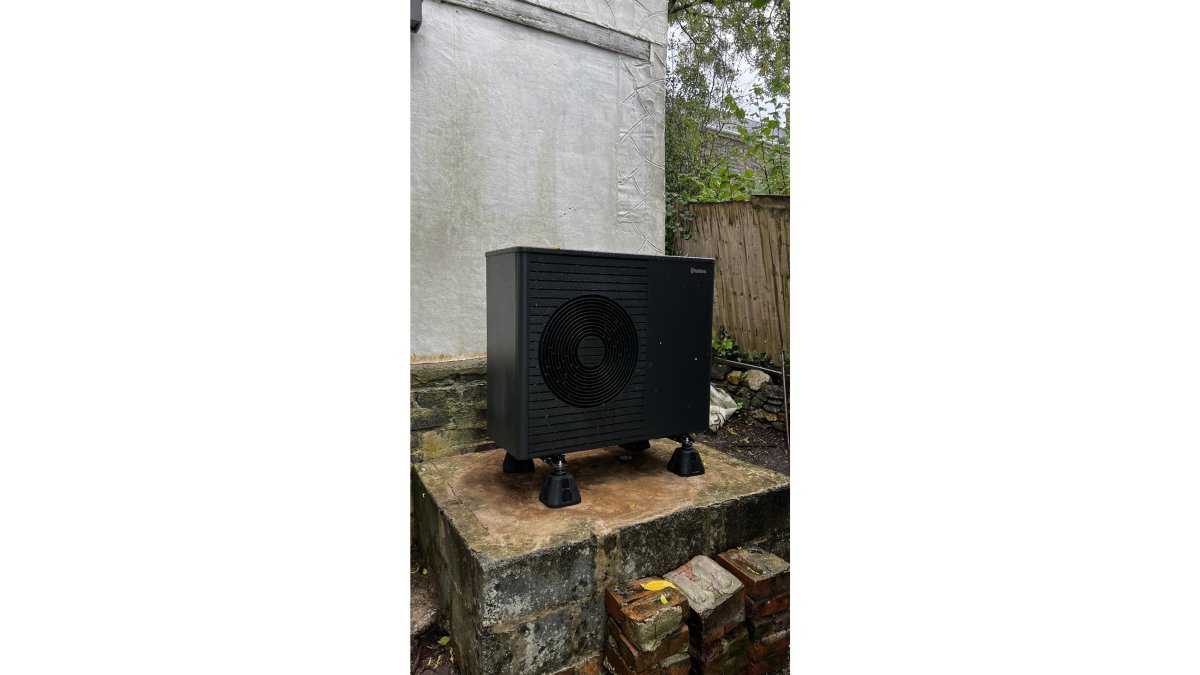
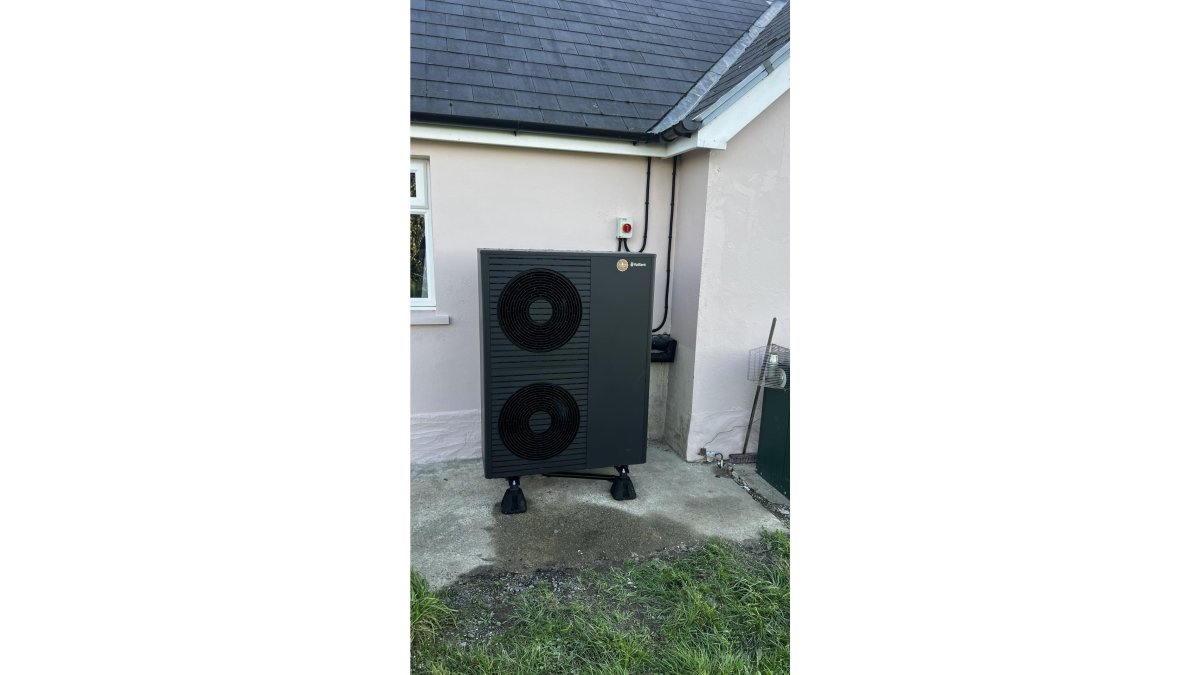
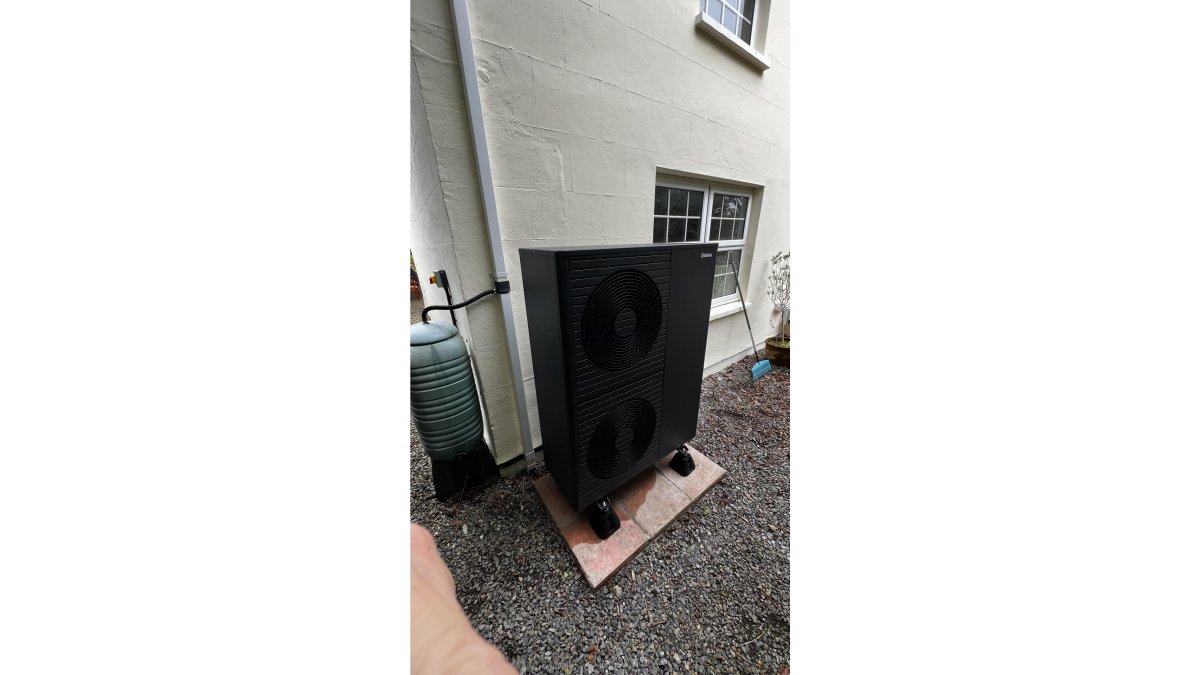
Clearing the outdoor space where the external unit will be mounted
Ensuring access routes are clear for equipment delivery
Arranging for any electrical upgrades if needed
Scheduling any necessary boiler removal
Confirming water supply and drainage access
Checking that your hot water cylinder (if needed) is installed
Many delays happen here because homeowners aren't ready when the installer arrives. If your garden needs clearing or your electrics need upgrading, that adds 1-2 weeks to your timeline.
Access and Space Requirements
Heat pumps need specific space to function safely and efficiently. The external unit requires:
At least 1 metre clearance on all sides
Protection from direct wind exposure
A solid, level mounting surface
Access for future maintenance
If your property doesn't naturally provide this space, modifications may be needed. Wall reinforcement, ground-level pads, or bracket adjustments all take time.
Indoor space matters too. You'll need room for:
The indoor heat pump unit (typically wall-mounted)
A hot water cylinder (if you're adding one)
Pipework and electrical connections
Access for the engineer to work safely
Most properties have adequate space, but older homes or flats sometimes require creative solutions. Your surveyor will have identified these during the site survey.
How Long Does Heat Pump Installation Take
The physical installation, the day the engineers arrive with equipment, is surprisingly quick compared to everything that leads up to it.
Typical Installation Duration by Property Type
A straightforward air source heat pump installation takes 2-3 days for most homes. This breaks down roughly as:
Day 1: External unit installation, pipework runs, and electrical connections
Day 2: Internal unit installation, system integration, and testing
Day 3: Final commissioning, handover, and user training
Smaller properties or simpler setups may finish in 1-2 days. Larger homes, those requiring significant pipework modifications, or properties with complex heating layouts may need 3-4 days.
Flats and apartments often have tighter timelines because there's less space to work with, but they typically need fewer modifications overall.
Factors That Can Extend Your Installation
Several things can stretch the installation timeline beyond the standard 2-3 days:
Existing boiler removal, if your old oil or LPG boiler needs disconnecting and removing, add 0.5-1 day
Electrical upgrades, if your home needs a new circuit or increased capacity, this happens before installation and adds 1-2 weeks
Pipework modifications, if your existing pipework won't work with the heat pump, new runs need installing, adding 1-2 days
Structural work, if the external unit needs a new mounting bracket or wall reinforcement, add 0.5-1 day
Access issues, if the installation team can't easily reach key areas, workarounds take extra time
System complexity, if you're adding a hot water cylinder or underfloor heating, installation extends to 3-4 days
Your surveyor will have identified most of these during the site survey, so you should know in advance whether your installation will be straightforward or more involved.
Watch Out Don't assume your installation will finish on schedule if you haven't completed pre-installation checks. Blocked access or missing electrical upgrades mean the team leaves the job incomplete, and rescheduling can add weeks to your timeline.
The Heat Pump Commissioning Process Explained
Commissioning is the final stage where your system is tested, optimised, and handed over to you. This is not optional, it's essential for performance and often required for grant eligibility.
System Testing and Performance Verification
The commissioning engineer runs a series of tests to ensure everything works correctly:
System pressure and flow rate checks
Heating and cooling performance verification
Hot water temperature testing
Electrical safety checks
Control system programming and calibration
These tests typically take 2-4 hours. The engineer will check that your system reaches the design performance outlined in your survey report.
At Heatgeek Wales, we go further. Our MCS-certified installations include commissioning data that feeds into our remote monitoring system. This means we can track your system's performance from day one and optimise it for maximum efficiency.
Handover and Ongoing Monitoring
Once commissioning is complete, you receive full documentation:
System diagrams and specifications
User manual and control instructions
Warranty certificates
Service and maintenance schedule
Emergency contact details
This is your chance to ask questions. The engineer will walk you through daily operation, seasonal adjustments, and troubleshooting basics.
After handover, your system enters the monitoring phase. Many modern heat pumps include remote monitoring capabilities that track performance continuously. If your system isn't performing as expected, adjustments can often be made remotely without a site visit.
What to Expect During Installation Days
Installation days bring disruption to your home. Understanding what happens helps you prepare.
Daily Schedule and Disruption
Installation typically starts at 8 am and runs until 4-5 pm. The team will:
Bring equipment and tools inside
Cut pipework runs through walls and ceilings
Install the external unit (which involves working outside, often on ladders or scaffolding)
Run electrical cables and connect the system
Test connections and seal penetrations
Disruption includes:
Noise from power tools and drilling
Dust from wall penetrations
Temporary loss of heating if you're replacing an existing system
Water supply interruptions (brief, usually just for connections)
Limited access to certain areas of your home

Most of the noise and mess happens on day 1. By day 2, the external work is done and disruption reduces significantly. Day 3 is mainly testing and handover with minimal disturbance.
Can You Stay at Home?
Yes, you can stay at home during installation. Many homeowners do. However, consider:
You'll have workers in your home for 8+ hours per day
Noise from drilling and power tools continues throughout the day
Temporary loss of heating if replacing an existing system
Limited access to certain rooms while work is ongoing
Dust and debris, even with precautions
Some homeowners prefer to stay away during day 1, when disruption is highest. Others find it helpful to be home to answer questions or provide access to locked areas.
If you have young children, pets, or health conditions affected by noise or temperature changes, plan accordingly. Some families arrange to stay with relatives for the installation period.
Planning Around Your Installation Timeline
The heat pump installation timeline in Wales requires forward planning. Understanding lead times and eligibility windows helps you schedule strategically.
Booking and Lead Times
Current lead times for heat pump installation in Wales range from 6-12 weeks from survey to completion, depending on installer availability and your property's complexity.
Booking early is critical. Winter (October-February) sees the highest demand because homeowners want heating installed before cold weather. If you're planning a winter installation, book your survey by August or September.
Spring and summer typically have shorter lead times. If you're flexible on timing, scheduling installation during May-July can reduce your overall timeline by 2-4 weeks.
Government Grants and Timeline Considerations
If you're applying for the Boiler Upgrade Scheme, timing matters. The scheme provides support for heat pump installations, but eligibility and funding levels can change.
Your site survey report is required for grant applications. Once you have this, you can apply immediately. Processing typically takes 2-4 weeks.
If you're waiting for grant approval before proceeding, factor in this waiting period.
Heatgeek Wales can advise on grant eligibility during your survey.
The heat pump installation timeline in Wales doesn't have to feel overwhelming. Most of the duration comes from planning and preparation, not the physical work.
When you're ready to move forward, contact Heatgeek Wales for your site survey.
Stage | Typical Duration | Key Activity |
Site survey booking | 2-6 weeks | Scheduling the initial assessment |
Site survey | 1 day | Property assessment and data collection |
Design and preparation | 2-3 weeks | System design and pre-installation checks |
Physical installation | 2-3 days | Equipment installation and connections |
Commissioning | 1 day | Testing, optimisation, and handover |
Total timeline | 6-12 weeks | From first contact to fully operational system |
Frequently Asked Questions
How long does a typical heat pump installation take from start to finish?
Most air source heat pump installations take between 2 to 5 days of on-site work, though the full timeline from survey to commissioning can span 4 to 12 weeks. The initial heat pump site survey typically takes 2 to 4 hours, followed by design and planning. Actual installation duration depends on your property type, existing heating system, and whether any preparatory work is needed. MCS-certified installers like Heatgeek Wales schedule each phase carefully to minimise disruption to your home.
What happens during the heat pump site survey?
The heat pump site survey involves a detailed assessment of your property's heating requirements, insulation levels, available space for the outdoor unit, and existing plumbing and electrical infrastructure. The surveyor takes measurements, reviews your energy usage patterns, and identifies the optimal location for your heat pump system. This data-backed approach ensures your system is designed for peak performance. If you contact Heatgeek Wales directly, we carry out the survey for free, saving you £250.
What preparation is needed before heat pump installation begins?
Before installation, ensure access to your property is clear, remove obstacles around the planned outdoor unit location, and confirm water and electricity supply points are accessible. You may need to arrange for any necessary structural modifications or plumbing adjustments. Your installer will provide a detailed heat pump installation preparation checklist during the survey. Most properties require 1 to 2 weeks of preparation time between survey completion and installation start.
Can I stay at home while my heat pump is being installed?
Yes, you can stay at home during installation, though there will be noise and activity from the installation team. Most homeowners find it manageable to remain in their property, though you may experience temporary disruption to water or heating. Discuss specific concerns with your installer beforehand. The heat pump commissioning process occurs after installation is complete and involves system testing, which typically takes a few hours with minimal additional disruption.
Click for your Instant heatpump estimate here
Comments