

Can Heat Pumps Save 70 Percent? The Real Figures
Table of Contents
Can Heat Pumps Save 70 Percent? What the Claim Really Means
Heat Pump Savings Compared with Gas Boiler: Where the 70% Comes From
Air Source Heat Pump Running Costs: What You Actually Pay
The Four Factors That Decide Your Real Savings
Why the System Design Matters More Than the Box on the Wall
Heat Pump Insulation Requirements: Do You Need to Upgrade First?
Using a Heat Pump Savings Calculator Without Being Misled
Older Properties and Solid Walls: What Savings Are Realistic?
Conclusion
Frequently Asked Questions
Last Updated: 19 October 2026
Can Heat Pumps Save 70 Percent? What the Claim Really Means
Can heat pumps save 70 percent? Yes, in the right home, with the right design. But that figure is a best-case outcome, not a guarantee, and it depends on what you are replacing and how your system is built.
At Heatgeek Wales, we design MCS-certified air source heat pump systems, and we see the 70% claim tested every week. The honest answer sits between two extremes.
The 70% figure compares the energy a heat pump uses with the energy a fossil fuel boiler uses to deliver the same heat. A well-designed heat pump can hit that gap. A poorly designed one will not, no matter how good the unit is.
Below, we break down where the number comes from, what you actually pay to run a heat pump, and which factors decide your real savings.
Watch Out The most common mistake is buying a heat pump on the headline savings claim alone. If the system is oversized or the radiators are too small, you can end up with higher bills than your old boiler. Design comes first, the unit second.
Heat Pump Savings Compared with Gas Boiler: Where the 70% Comes From
The 70% figure comes from comparing efficiency, not from a single test. A gas boiler converts most of its fuel into heat, but it loses some up the flue. A heat pump moves heat rather than burning fuel, so it delivers more heat per unit of energy used.

That efficiency gap is measured as a coefficient of performance (COP). A heat pump with a high COP produces more heat for each unit of electricity. The government guidance on heat pump efficiency explains how this is measured and why it varies with outdoor temperature.
Here is the key point most guides skip: the 70% is an energy comparison, not a bill comparison. Electricity costs more per unit than gas, so a 70% cut in energy does not always mean a 70% cut in cost.
Energy saved: often large, because heat pumps are more efficient
Bill saved: smaller, because electricity is priced higher per unit
Real figure: depends on your tariff, your home, and your old system
That distinction matters. It is the difference between a claim and a realistic expectation.
Air Source Heat Pump Running Costs: What You Actually Pay
Air source heat pump running costs depend on three things: how much heat your home loses, how efficient the system runs in practice, and what you pay for electricity.
A heat pump's real-world efficiency is called the seasonal performance factor (SPF). It averages performance across a whole heating season, not just a lab test. A system with a strong SPF uses less electricity to deliver the same warmth.
Our advice is to think in kilowatt hours, not percentages. Work out how much heat your home needs, then divide by the system's expected efficiency to estimate electricity use.
Get an accurate heat loss survey first
Match radiator sizes to the lower flow temperatures a heat pump runs at
Choose a tariff that keeps electricity costs down
The Energy Saving Trust guidance on heat pumps sets out how running costs are estimated and why home insulation changes the result. Running costs are not fixed. They are designed.
Pro Tip A heat pump running at a lower flow temperature for longer is usually cheaper than one blasting high heat in short bursts. Ask your installer what flow temperature the design targets. If they cannot answer, that is a red flag.
The Four Factors That Decide Your Real Savings
Four factors decide whether you get anywhere near 70%: the system design, your home's heat loss, your existing heating, and how the system is set up and monitored.
Get all four right and the savings are real. Get one wrong and the number drops fast.
Factor | What It Affects | Why It Matters |
System design | Efficiency and comfort | A matched design hits the target; a rushed one misses it |
Heat loss | How much heat you need | Better fabric means less energy to replace |
Existing system | The baseline you compare against | Replacing old oil or LPG gives the biggest gap |
Setup and monitoring | Real-world performance | Small tuning changes protect savings over time |
The biggest savings usually come when you replace a costly fossil fuel system, such as oil or LPG. Replacing an already-efficient mains gas boiler narrows the gap.
Why the System Design Matters More Than the Box on the Wall
The unit on the wall is only part of the system. The design decides how well that unit performs in your home.
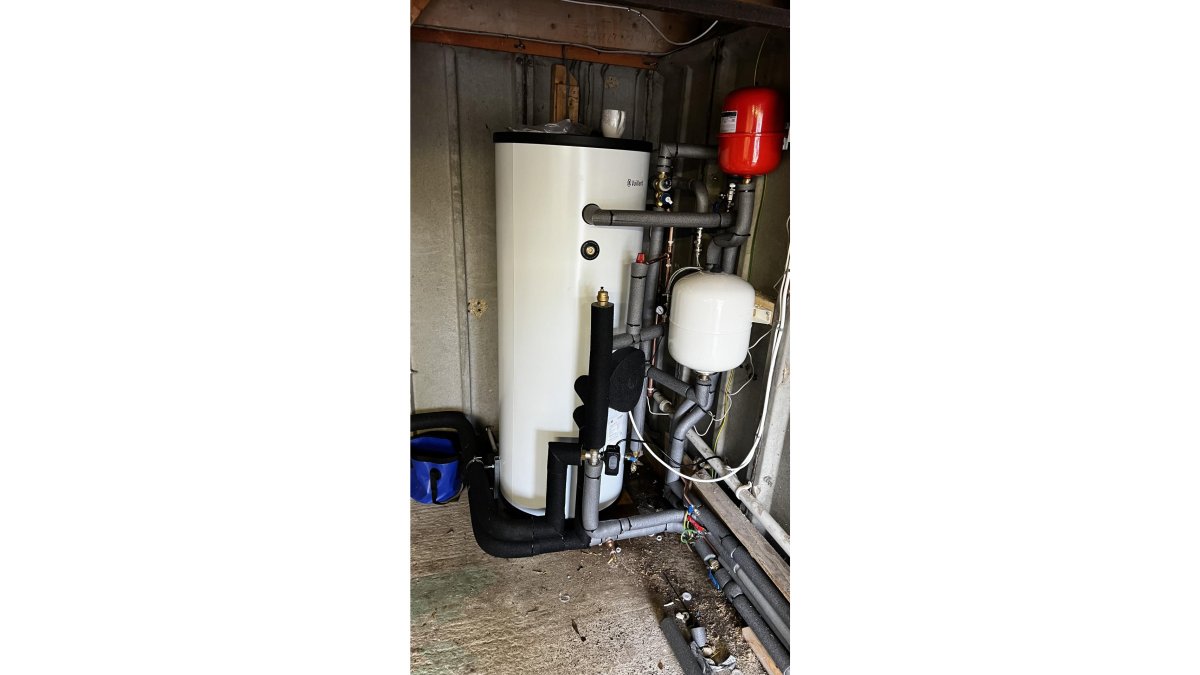
A proper design starts with a room-by-room heat loss survey. It sizes radiators to match the heat pump's lower flow temperatures. It checks pipework and controls. Skip those steps and even a top-tier unit underperforms.
At Heatgeek Wales, our designs are built from thousands of previous heat loss surveys. That data means we size systems to the home in front of us, not to a rule of thumb.
Heat loss survey before any quote
Radiator sizing matched to flow temperature
Controls set up to run the system efficiently
Design is where savings are won or lost. The box is the easy part.
Heat Pump Insulation Requirements: Do You Need to Upgrade First?
Heat pump insulation requirements are not a strict pass or fail. A heat pump will work in most homes, but better insulation lowers the heat you need and protects your savings.
Think of it this way: insulation reduces the heat escaping, so the heat pump has less work to do. That means lower running costs and a system that runs comfortably.
You do not always need a full retrofit first. But these upgrades make the biggest difference:
Loft insulation to stop heat escaping through the roof
Cavity wall insulation where the wall type allows it
Draught-proofing around doors, windows, and lofts
Double or secondary glazing on older single-pane windows
The Energy Saving Trust advice on home insulation explains which measures suit which property types. A good installer will flag what is worth doing and what can wait.
Key Takeaway Insulation is not a box to tick before a heat pump. It is the lever that makes the 70% claim realistic in an older home. Fix the fabric first, then size the system.
Using a Heat Pump Savings Calculator Without Being Misled
A heat pump savings calculator gives an estimate, not a promise. Used well, it helps you compare options. Used badly, it tells you what you want to hear.
Most calculators ask for your current fuel, your usage, and your home type. They then apply average efficiency figures. The output is only as good as the inputs.
Here is how to use one properly:
Enter your real annual usage from a recent bill, not a guess
Use your actual fuel type, because oil and gas give very different baselines
Treat the result as a range, not a single number
Ask what efficiency figure the calculator assumes
A calculator cannot see your radiators, your pipework, or your draughts. It cannot replace a heat loss survey. Use it to sense-check a quote, then get the survey done.
If you contact us directly, we will carry out the survey for free, saving you £250. That survey is what turns a rough calculator estimate into a real design.
Watch Out Beware of calculators that show a single big savings figure with no assumptions listed. If the tool will not show its efficiency assumptions, treat the number as marketing, not maths.
Older Properties and Solid Walls: What Savings Are Realistic?
Older properties with solid walls can still benefit from a heat pump, but the savings are usually more modest than the headline claim. Solid walls lose heat faster than cavity walls, so the home needs more heat to stay warm.
That does not rule a heat pump out. It changes the design.
For an older cottage, we look at what can be improved and what cannot. Solid wall insulation may not be practical or affordable. In that case, the design focuses on radiator sizing, controls, and running the system at the right flow temperature.
Realistic expectations for older homes:
Savings are real but often below the best-case figure
Fabric improvements give the biggest boost where they are possible
A careful design protects performance where insulation is limited
Historic England guidance on energy efficiency in older homes is a useful reference for what is sensible in period properties. The goal is a system that suits the building, not one that fights it.
Conclusion
The honest answer to whether a heat pump can save you 70% is that it can, in the right home with the right design, and it will not in a home where the basics are skipped. The number is achievable, not automatic.
If you want to know what your home can realistically save, start with an accurate heat loss survey rather than a headline figure. Heatgeek Wales provides MCS-certified engineering, data-backed designs built from thousands of surveys, and 24/7 remote monitoring to keep your system performing. Contact us directly and we will carry out the survey for free, saving you £250, so you get a real answer for your property.
Frequently Asked Questions
Can a heat pump really save 70 percent on heating bills?
It can, but not in every home. The 70% figure describes the reduction in energy used for heating, which is achievable when a well-designed system replaces an inefficient fossil fuel boiler in a property with reasonable insulation. A heat pump savings figure of 70% in cash terms is harder to reach, because electricity costs more per unit than gas. The honest answer is that savings depend on your current fuel, your tariff, your insulation and, above all, how well the system is designed and commissioned.
How much can a heat pump save compared with a gas boiler?
Heat pump savings compared with a gas boiler are smaller than against oil or LPG, because gas is already relatively cheap per unit. A well-installed air source system running at a good seasonal efficiency can still cut running costs, particularly if you move to a heat pump tariff. The gap widens considerably when you are replacing oil, LPG or electric resistive heating. Ask for a design based on your actual heat loss survey rather than a generic estimate.
What affects the savings from an air source heat pump?
Four things dominate: how much heat your home loses, the flow temperature the system runs at, your electricity tariff, and what you were heating with before. Lower flow temperatures mean higher efficiency, which is why radiator sizing and insulation matter. Tariff choice can swing running costs significantly. Fabric improvements reduce demand before the heat pump ever runs. A data-backed design based on a proper room-by-room heat loss survey is what turns a theoretical figure into a realistic one.
Does a heat pump save more in a well-insulated home?
Yes. Heat pump insulation requirements are not a legal barrier, but insulation directly reduces how much heat you need to buy, so every improvement adds to your savings. A well-insulated home also allows lower flow temperatures, which raises efficiency further. In a solid-walled older property you may not reach the same figures as a modern build, but a careful design can still deliver meaningful reductions. A free survey will show where your home sits before you commit.
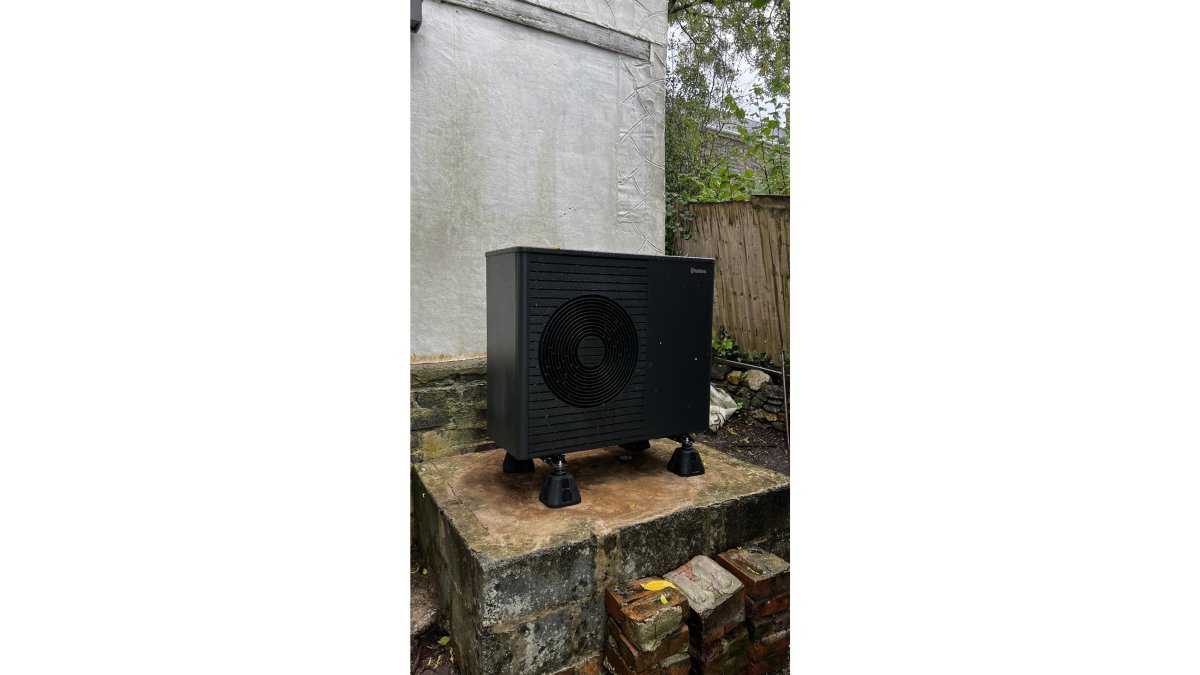
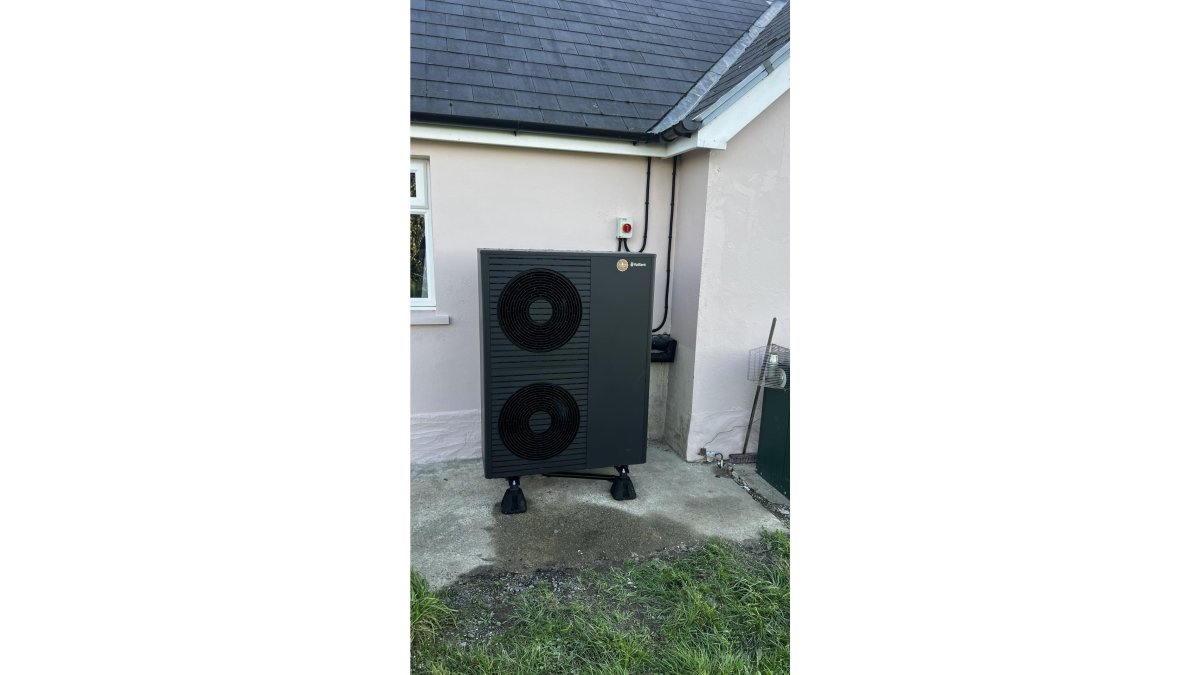
The gap between a claim and a real result is design. If you are weighing up a heat pump and want figures you can trust, get a proper survey first. Heatgeek Wales offers MCS-certified installation of Vaillant aroTHERM heat pumps, continuous remote monitoring, and designs grounded in real survey data. Click for your instant heat pump estimate and find out what your home can actually save.
Click for your Instant heatpump estimate here
Comments