

Heat pump installation cost for a 4-bedroom house
Table of Contents
What determines heat pump installation cost for a 4-bedroom house
System type and capacity
Property condition and insulation
Installation complexity
Heat pump size for a 4-bedroom house
Breaking down heat pump installation costs
Unit and equipment costs
Labour and installation
Additional work and modifications
Heat pump installation time for your project
Getting an accurate heat pump installation quote
Heat pump flow temperature and system efficiency
Funding your heat pump installation
Frequently Asked Questions
Last Updated: October 21, 2026
What determines heat pump installation cost for a 4-bedroom house
The cost of installing a heat pump in a 4-bedroom property depends on several interconnected factors. Understanding these variables helps you budget accurately and avoid surprises during the installation process. At Heatgeek Wales, we've surveyed thousands of properties to understand what drives these costs, and the answer is rarely straightforward.
The main cost drivers fall into three categories: your system type and capacity, the condition of your property, and the complexity of the installation itself. A property with good insulation and straightforward pipework might cost significantly less than an older cottage with solid walls and existing radiator systems that need modification. The size of your property alone doesn't determine cost, a well-insulated 4-bedroom modern house often costs less to equip than a poorly insulated one, even if they're the same size.
System type and capacity
Air source heat pumps are the most common choice for residential properties in Wales. They extract heat from outside air and transfer it indoors, making them suitable for most homes. The capacity you need depends on your property's heat loss, a calculation based on insulation, window quality, and building age.
A 4-bedroom house typically requires between 8kW and 14kW of heating capacity. Undersizing your system means it struggles to maintain comfort on cold days. Oversizing wastes money on equipment you don't need. This is why a professional survey that measures your actual heat loss is essential before installation begins.
Property condition and insulation
Older properties with solid walls and single-glazed windows lose heat rapidly. A heat pump must work harder to maintain temperature, requiring a larger capacity and higher running costs. Properties with modern insulation, cavity wall fill, and double glazing perform far more efficiently with smaller systems.
The condition of your existing heating system also matters. If you're replacing a boiler with compatible pipework, installation is straightforward. If you're converting from a system with different pipe sizes or layouts, modifications add time and cost.
Installation complexity
Straightforward installations take 2-3 days. Complex ones take a week or more. Factors that increase complexity include:
Replacing old pipework that doesn't match modern standards
Installing a new outdoor unit where space is tight
Running new refrigerant lines through walls or under floors
Upgrading electrical infrastructure to handle the heat pump
Modifying radiators or installing underfloor heating
Properties with accessible lofts and basements for pipework routing cost less than those requiring external runs or extensive wall chasing.
Heat pump size for a 4-bedroom house
The right size for your property isn't determined by bedroom count, it's determined by heat loss. A heat pump installation quote that skips this step is guesswork. We calculate heat loss by measuring insulation quality, window performance, ventilation, and building fabric. This determines the kilowatt capacity you actually need.
Most 4-bedroom properties fall between 8kW and 14kW. A modern, well-insulated detached house might need only 10kW. An older semi-detached property with poor insulation might need 14kW. A poorly insulated Victorian cottage could need 16kW or more.
Oversizing by 20-30% is common but costly, you're paying for capacity you'll rarely use. Undersizing creates comfort problems when outdoor temperatures drop below freezing. This is why a detailed heat loss survey forms the foundation of any accurate heat pump installation cost estimate.
Breaking down heat pump installation costs
Understanding cost components helps you compare quotes fairly. Installation costs divide into three main areas: equipment, labour, and additional modifications.
Unit and equipment costs
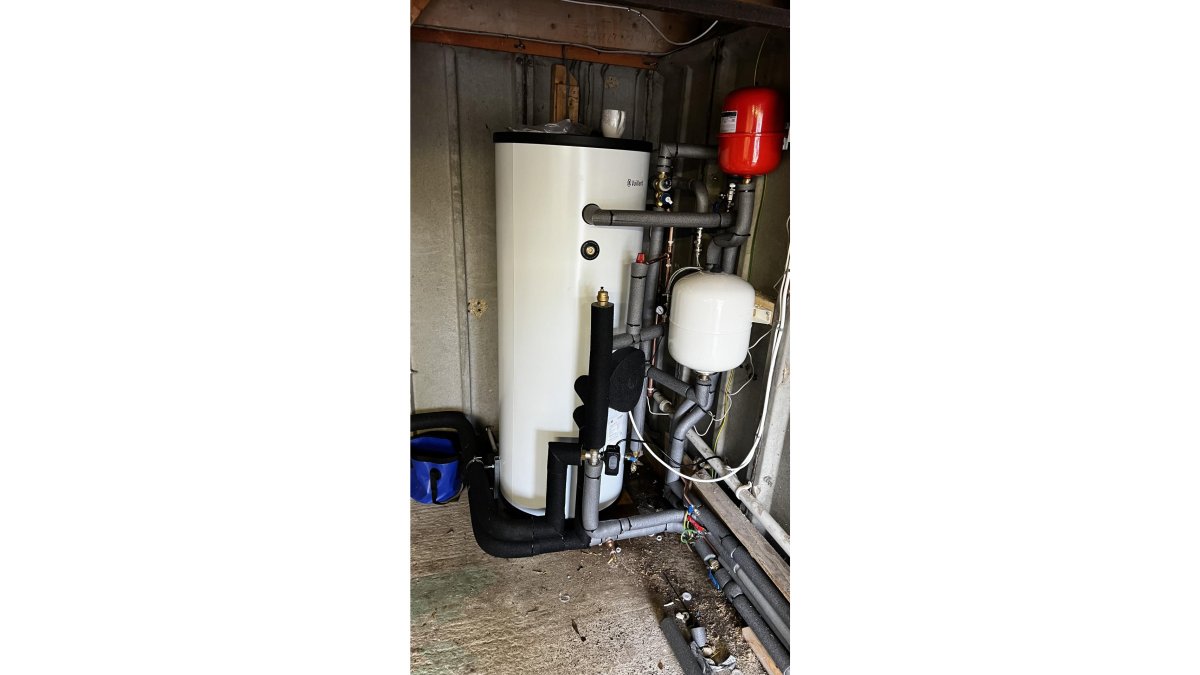
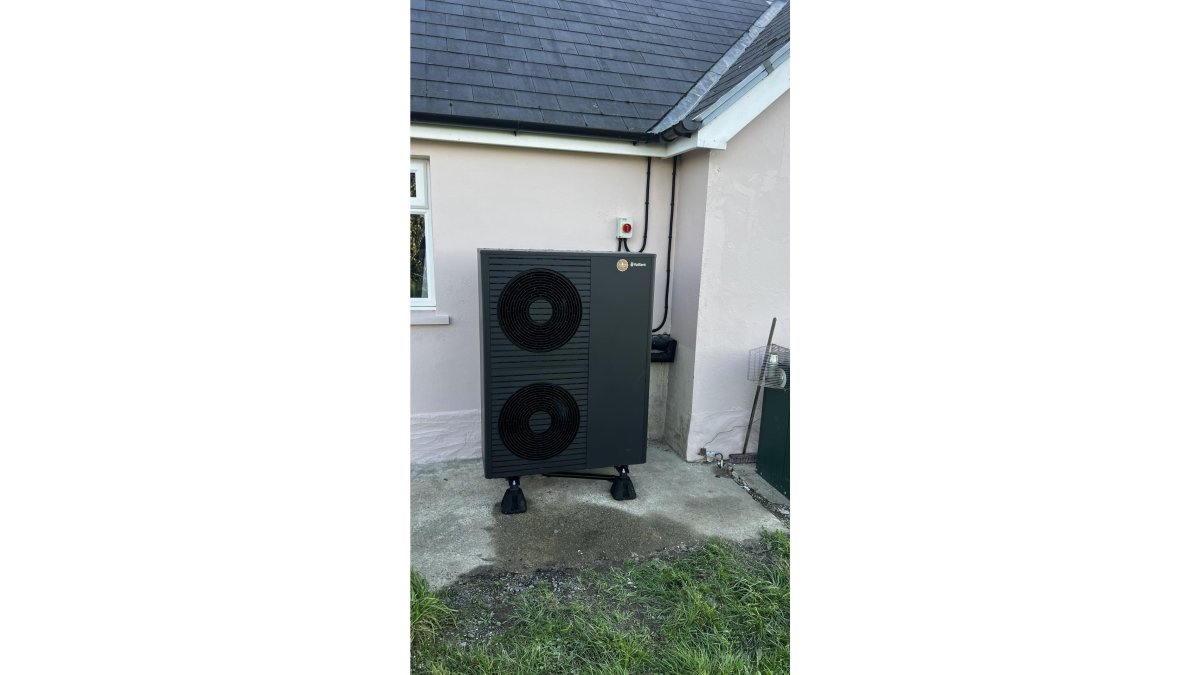
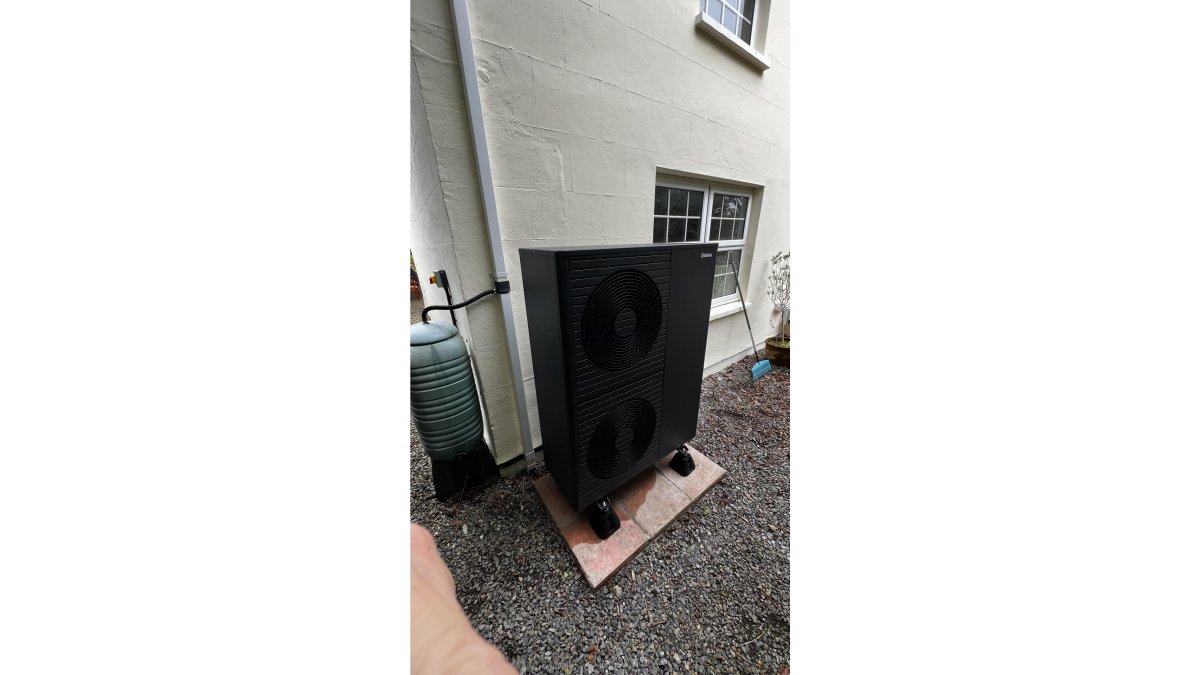
The heat pump unit itself, typically a Vaillant aroTHERM or similar model, represents a significant portion of total cost. A quality outdoor unit suitable for a 4-bedroom house ranges widely depending on capacity and efficiency rating. Indoor components, including the hot water cylinder if you need one, add further expense.
Refrigerant lines, copper pipework, electrical components, and control systems are additional equipment costs. A professional installer ensures all components meet Building Regulations and work together efficiently. Budget quality here, cheap components often fail prematurely, requiring costly repairs.
Labour and installation
Installation labour typically accounts for 30-40% of total cost. This includes:
Site preparation and safety measures
Outdoor unit positioning and securing
Pipework installation and pressure testing
Electrical connection and commissioning
System balancing and performance verification
Handover training on system operation
Complex properties with difficult access or extensive modifications require more labour hours. A straightforward installation in a modern property with good access costs less than equivalent work in an older building with tight spaces.
Additional work and modifications
Many properties need work beyond basic heat pump installation. Radiator sizing might require replacement or modification if your new system operates at different temperatures. Pipework might need replacing if existing systems use incompatible materials. Electrical upgrades ensure your home's supply can handle the heat pump's demand.
Some properties benefit from thermal storage or buffer tanks to improve efficiency. Others need new thermostats or controls to operate the system optimally. These additions increase cost but often deliver better performance and lower running expenses.
Heat pump installation time for your project
Most straightforward installations complete within 2-3 days. This includes outdoor unit installation, pipework connection, electrical work, and system commissioning. Your heating is typically restored by day three.
Complex installations take longer. Properties requiring extensive pipework replacement or electrical upgrades might need 5-7 days. Older properties with difficult access or multiple system modifications can take 1-2 weeks.
Disruption during installation is manageable. Your heating is offline during installation, so timing matters, avoid winter months if possible. The installation team works to minimise disruption to your daily routine, though some noise and dust is unavoidable during pipework installation.
Pro Tip Schedule your installation during spring or autumn if you can. This avoids the stress of losing heating during cold weather and gives your system time to settle before winter arrives.
Getting an accurate heat pump installation quote
A proper heat pump installation quote begins with a detailed survey of your property. This isn't a quick walk-through, it's a comprehensive assessment of your heating needs.

During a survey, we measure:
Insulation thickness in walls, lofts, and foundations
Window and door quality and condition
Ventilation rates and air leakage
Current heating system performance
Hot water demand patterns
Available space for outdoor and indoor units
Existing pipework and electrical infrastructure
This data feeds into heat loss calculations that determine your system size and expected performance. A quote based on this survey is reliable. A quote based on assumptions or "typical" properties often leads to problems.
When you contact Heatgeek Wales directly, we carry out the survey for free, saving you £250.
Compare quotes carefully. The cheapest option often reflects corners being cut, smaller units, lower-quality components, or inadequate design work. A mid-range quote from a reputable, MCS-certified installer typically offers better value than both the cheapest and most expensive options.
Heat pump flow temperature and system efficiency
Flow temperature, the temperature at which your heat pump delivers heating water, directly affects both performance and running costs. Modern heat pumps operate most efficiently at lower flow temperatures, typically 35-45°C for well-insulated properties.
Older properties with poor insulation often need higher flow temperatures, 50-55°C or more, because they lose heat rapidly. Higher flow temperatures reduce heat pump efficiency and increase running costs. This is why property condition matters so much to the total cost of ownership.
Our data-backed designs optimise flow temperature for your specific property. Remote monitoring and optimisation adjust your system throughout the year as seasons change and your building's thermal performance evolves. This ensures peak efficiency and maximum savings.
Key Takeaway The difference between a poorly designed system and an optimised one can be 15-20% in annual running costs, far more than the difference in installation price between installers.
Funding your heat pump installation
The Boiler Upgrade Scheme provides grant funding for eligible properties, reducing your upfront cost. Grant amounts vary, but they're substantial enough to make a real difference to affordability. Eligibility depends on property type, current heating system, and income in some cases.
The Warm Homes Nest scheme also supports eligible households. Eligibility criteria change regularly, so checking current requirements before committing to installation matters.
We can advise on your eligibility and help navigate the application process. MCS certification is essential for accessing these schemes, installers without MCS accreditation cannot help you claim grants.
Installing a heat pump in a 4-bedroom property is a significant investment in your home's future. The true cost depends on your property's condition, your heating needs, and the complexity of the installation. Rather than comparing headline prices, focus on finding an installer who conducts a proper survey, designs a system matched to your actual heat loss, and holds MCS certification. At Heatgeek Wales, we provide data-backed designs and continuous remote optimisation to ensure your system delivers the efficiency gains you expect. Get your instant heat pump estimate here and discover what's possible for your home.
Frequently Asked Questions
What factors affect the cost of heat pump installation in a 4-bedroom house?
Several factors influence heat pump installation cost. System type (air source is most common for residential properties), existing heating infrastructure, property insulation levels, and installation complexity all play a role. Properties with solid walls typically require different approaches than those with cavity walls. The condition of your current heating system, whether radiators need modification, and access to outdoor space for the external unit also affect the final quote. A professional survey identifies these factors to provide an accurate estimate.
How long does heat pump installation typically take?
Installation duration varies depending on system complexity and property conditions. Straightforward installations in well-prepared properties typically take 2-3 days. More complex projects involving significant pipework modifications, radiator adjustments, or system integration may extend to 5-7 days. We carry out the survey stage for free, saving you £250. Factors like weather conditions and access to installation areas can also influence the timeline.
What should I expect to see in a heat pump installation quote?
A comprehensive quote should break down equipment costs, labour charges, and any additional work required. It should specify the heat pump model (such as Vaillant aroTHERM units), system capacity in kilowatts, installation duration, and any modifications needed to your existing heating system. The quote should also detail what's included in the installation service and any guarantees or warranties offered. MCS-certified installers provide transparent quotes that help you understand exactly what you're paying for and why.
Can I use my existing radiators with a heat pump system?
In many cases, existing radiators can be used with heat pump systems, though they may need modification. Heat pumps operate most efficiently at lower flow temperatures than traditional boilers, typically between 35-55°C. Older radiators designed for higher temperatures may require either supplementary radiators or modifications to work effectively. A professional heat loss survey determines whether your current radiators are suitable and identifies any upgrades needed for optimal performance and efficiency.
Click for your Instant heatpump estimate here
Comments