

MCS Certified Heat Pump Installers Wales: 2026 Guide
Table of Contents
Why MCS Certification Matters for Heat Pump Installers in Wales
How to Do an MCS Installer Search in Wales
Using the MCS Certified Register
Checking Credentials and Insurance
How to Choose a Heat Pump Installer
Questions to Ask Before You Commit
What a Heat Pump Installation Quote Should Include
The Heat Pump Installation Process: What to Expect
Grants and Funding for Heat Pump Installers in Wales
Conclusion
Frequently Asked Questions
Last Updated: 12 October 2026
Why MCS Certification Matters for Heat Pump Installers in Wales
Finding genuinely qualified mcs certified heat pump installers in Wales starts with understanding what MCS certification actually proves. The Microgeneration Certification Scheme is the UK's quality assurance standard for renewable heating, and it exists to protect homeowners from exactly the kind of cowboy work that gives the industry a bad name.
Here's the part most people miss: without an MCS-certified installer, you cannot claim the Boiler Upgrade Scheme grant at all. The Boiler Upgrade Scheme guidance confirms that only MCS-certified installations qualify. That single fact turns certification from a nice-to-have into a financial necessity.
At Heatgeek Wales, we see the consequences of poor installations regularly. Systems sized incorrectly, pipework that throttles efficiency, controls that were never properly commissioned. An MCS-certified engineer follows documented design standards, which means your system performs as designed rather than as guessed.
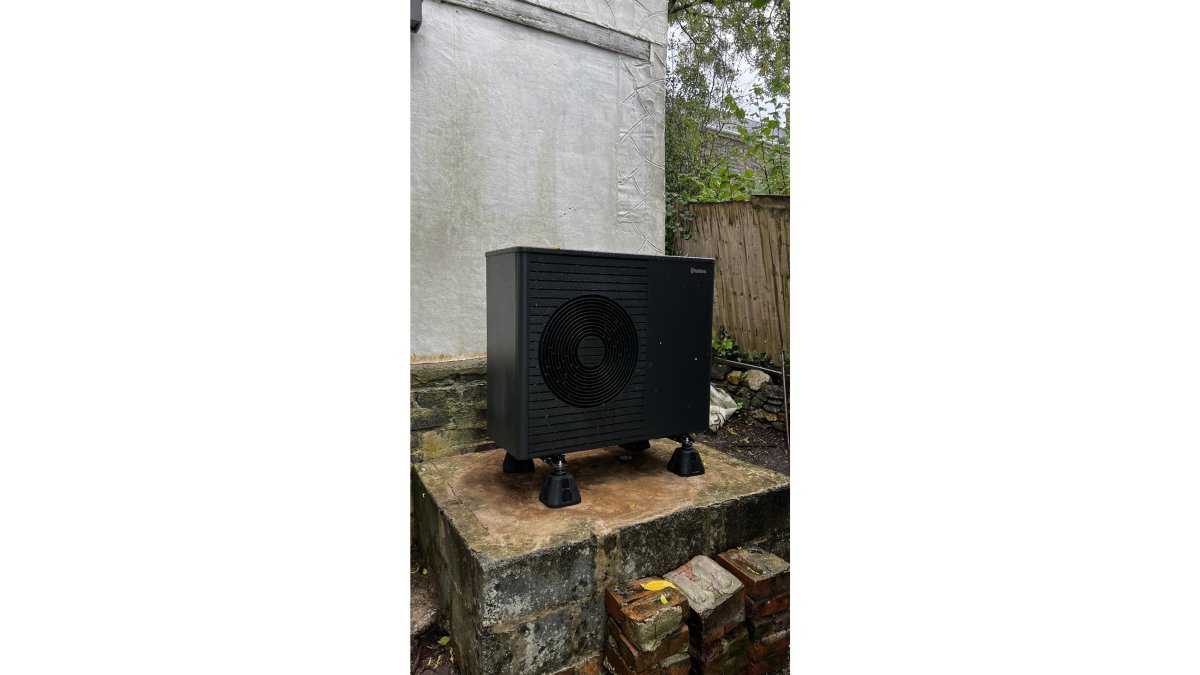
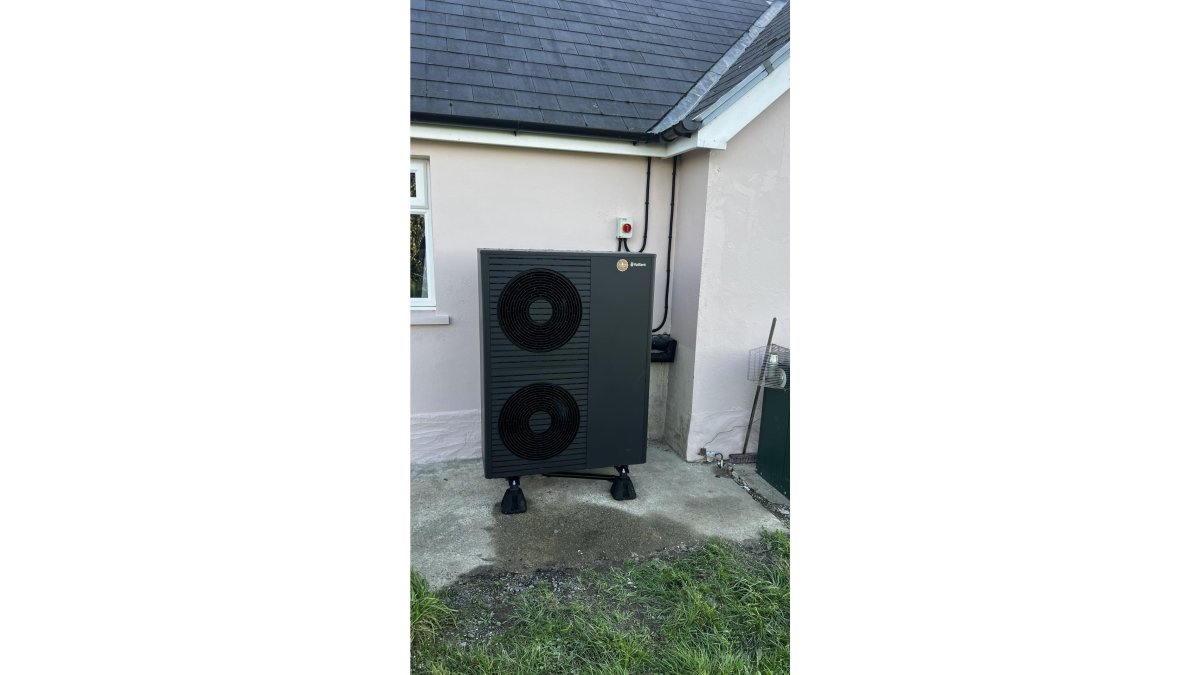
Certification also unlocks manufacturer warranties. Vaillant, for instance, expects installation to MCS standards before honouring extended cover on its aroTHERM units.
Key Takeaway MCS certification is your gateway to grant funding, manufacturer warranties and a system that actually delivers the efficiency figures quoted to you. No certificate, no grant, no comeback.
How to Do an MCS Installer Search in Wales
An MCS installer search should begin and end with the official register, not with whoever answers the phone fastest. The register is the only source that verifies certification status in real time.
Using the MCS Certified Register
The MCS Certified Register is the official database of certified installers and products, maintained by the scheme's governing body. You search by postcode and technology type, and it returns installers whose certification covers your area and your system.
When you search, check three things:
The certification covers air source heat pumps specifically
The certification is current, not lapsed
The business address matches who turns up at your door
The MCS Certified Register lets you verify all three in under five minutes. We recommend doing it before any survey is booked, not after.
Checking Credentials and Insurance
Certification is the floor, not the ceiling. Ask for public liability insurance details and confirm the policy is active. A legitimate installer will send these without hesitation.
What most guides miss is that MCS certification sits with the business, not the individual engineer. If a firm subcontracts the actual installation, verify who is on site and whether they work under the certified business's umbrella.
How to Choose a Heat Pump Installer
Choosing well comes down to design quality, not sales patter. A heat pump that is undersized or oversized will cost you money for years, and no amount of aftercare fixes a bad design.
Start with the survey. A proper heat loss calculation takes time and involves measuring rooms, checking insulation and assessing radiator sizes. If an installer quotes from a desktop estimate without visiting, walk away.
Questions to Ask Before You Commit
Use these as your checklist:
Will you carry out a full room-by-room heat loss survey?
What size heat pump have you specified, and why?
Which radiators or emitters will need replacing?
Who commissions the system, and do they work for you directly?
What monitoring or optimisation is included after installation?
Can you provide references from properties similar to mine?
At Heatgeek Wales, we carry out the survey free of charge when customers contact us directly, saving £250. That reflects how seriously we take design: the survey is where a good system is won or lost.
Pro Tip Ask for the heat loss calculation itself, not just the headline figure. A reputable designer will share the room-by-room output, which shows exactly how the system size was reached.
What a Heat Pump Installation Quote Should Include
A complete quote covers design, equipment, labour, commissioning and aftercare in writing. Anything vague is a red flag.
Quote Element | What Good Looks Like | Why It Matters |
Heat loss survey | Room-by-room calculation, dated | Proves the system size is justified |
Heat pump model | Named unit and output rating | Lets you compare like for like |
Emitter changes | Radiators listed by room | Avoids surprise extra costs |
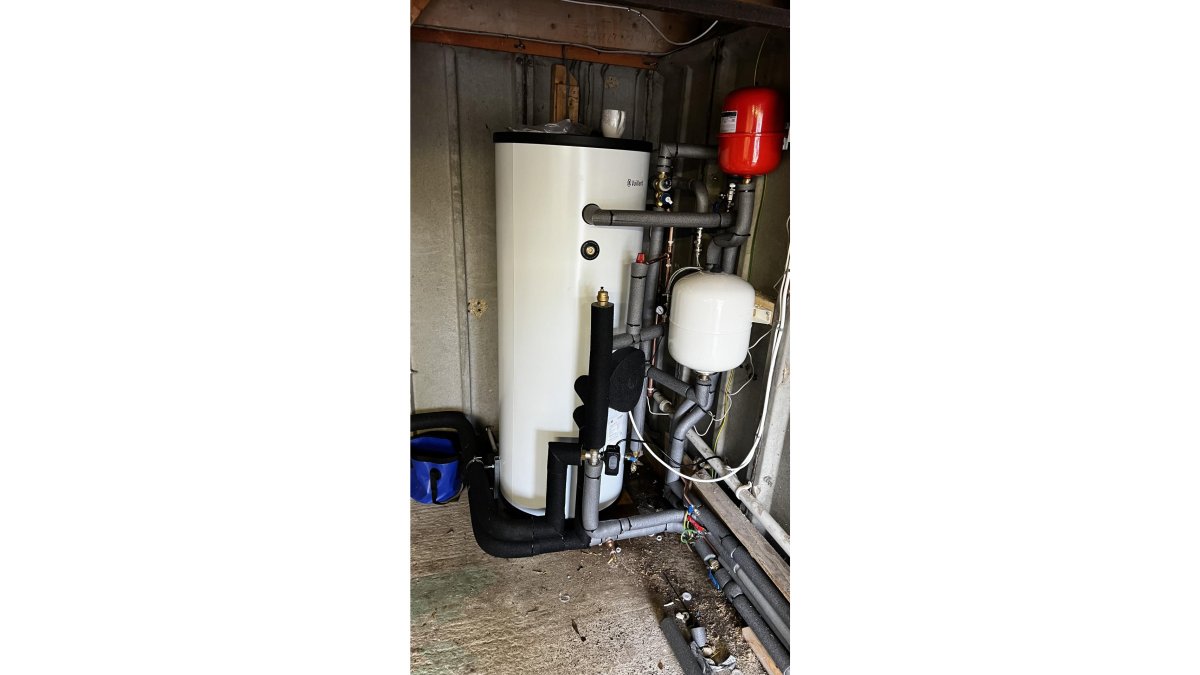
Cylinder and controls | Capacity and model specified | Affects hot water performance |
Commissioning | Included, with handover | Poor setup kills efficiency |
Monitoring | Remote optimisation stated | Protects long-term performance |
Grant paperwork | Handled by installer | Protects your Boiler Upgrade Scheme claim |
Compare quotes on scope, not just the bottom line. Cheaper quotes often exclude emitter upgrades or commissioning, which reappear as variation charges later.
The Heat Pump Installation Process: What to Expect
Most domestic air source installations take between two and five days, depending on how many radiators need changing and whether the hot water cylinder is being replaced.

Day one usually covers the outdoor unit positioning and pipework routes. Days two and three focus on indoor work: the cylinder, controls and emitter swaps. Commissioning and handover come last, and this is where a good installer earns their fee.
During commissioning, the engineer balances flow rates, sets the weather compensation curve and explains the controls. Skipping this step is why some heat pumps run expensively. The Energy Saving Trust guidance on heat pumps notes that correct setup and controls make a significant difference to running costs.
Expect some disruption: floors up for pipework, radiators drained, and the outdoor unit needing a solid mounting point. A clear schedule from your installer removes most of the stress.
Watch Out The most common mistake is accepting a quote that excludes commissioning or hands over the system without a controls walkthrough. The consequence is a heat pump that runs like an electric bar heater: expensive and disappointing.
Grants and Funding for Heat Pump Installers in Wales
Grant funding changes regularly, so treat any figure you read as a starting point and verify it on the official source before relying on it.
The Boiler Upgrade Scheme is the main national grant for replacing fossil fuel heating with a heat pump. Eligibility, application process and grant amounts are set by government and updated periodically, so check the GOV.UK Boiler Upgrade Scheme page for current details.
Wales also has schemes aimed at improving home energy efficiency, and eligibility rules differ from the national grant. Your installer should be able to explain which schemes you may qualify for and handle the paperwork on your behalf.
If you do not qualify for funding, the installation can still make sense. A well-designed system typically uses far less energy than an old oil or LPG boiler, and the running cost gap widens as fossil fuel prices rise.
Best For Homeowners replacing oil or LPG boilers who want to cut running costs and claim available grant funding without handling the paperwork themselves.
Conclusion
The hardest part of this process is not the installation; it is knowing which installer to trust with your money and your home.
Heatgeek Wales exists to remove that doubt. We provide MCS-certified air source heat pump engineering, data-backed designs built from thousands of previous heat loss surveys, installation of Vaillant aroTHERM heat pumps, and 24/7 remote monitoring and optimisation to keep your system performing at its peak. Customers who contact us directly receive their survey free, saving £250.
Get started with Heatgeek Wales and get your instant heat pump estimate today.
Frequently Asked Questions
How do I find an MCS-certified heat pump installer?
Start with the MCS Certified Register, the official database of certified installers. Filter by your local area and technology type (air source heat pumps). Check that the certification is current and covers the specific work you need. You can also ask for recommendations from neighbours who have had heat pumps installed, but always verify certification independently. A legitimate installer will happily provide their MCS number and proof of certification.
What should a heat pump installation quote include?
A thorough heat pump installation quote should include a full heat loss survey, the proposed system design and specifications, equipment costs, labour, any necessary radiator or pipework upgrades, commissioning, and aftercare. It should also state whether the installer will handle grant applications on your behalf. Avoid quotes that are vague or lack a room-by-room heat loss assessment, as these often lead to underperforming systems and unexpected costs.
Can I get help with the cost of installing a heat pump?
Yes, the Boiler Upgrade Scheme offers a grant towards the cost of installing an air source heat pump. Eligibility rules and grant amounts can change, so check the latest guidance on GOV.UK. Some installers will deduct the grant from your quote and apply on your behalf. If you do not qualify for the Boiler Upgrade Scheme, ask your installer about other funding options or phased installation to spread costs.
How long does it take to install an air source heat pump?
A typical air source heat pump installation takes two to five days, depending on the complexity of your property and whether radiator or pipework upgrades are needed. Older properties with solid walls may require additional time for insulation improvements or system balancing. Your installer should provide a detailed timeline in the quote. Disruption is usually minimal, with the heating off for only a few hours during the switchover.
Click for your Instant heatpump estimate here
Comments