

Heat Pump Savings From Oil Boiler: 2026 Guide
Table of Contents
Why Homeowners Are Switching From Oil Boilers to Heat Pumps
Heat Pump vs Oil Boiler Running Costs: What the Numbers Show
Heat Pump Efficiency and SCOP: Understanding Real-World Performance
Heat Pump Performance in Older Homes: Solid Walls and Solid Results
Heat Pump Insulation and Radiator Upgrades: Maximising Your Savings
Government Grants and Payback Periods for Heat Pump Installations
Common Concerns About Switching From Oil to Heat Pumps
Conclusion: Making the Switch to Heat Pump Savings
Frequently Asked Questions
Last Updated: 10 October 2026
Why Homeowners Are Switching From Oil Boilers to Heat Pumps
Heating bills from oil boilers can spiral out of control. Many homeowners in Wales find themselves paying hundreds of pounds monthly just to keep their homes warm. The question isn't whether to make a change, it's which heating system makes financial sense.
Heat pump savings from oil boiler systems represent one of the most significant shifts in residential heating technology. At Heatgeek Wales, we've consistently found that homeowners switching from oil boilers to air source heat pumps see substantial reductions in their annual energy costs. The appeal is straightforward: oil heating is expensive, inefficient, and increasingly difficult to justify when modern alternatives exist.
This guide explores what those savings actually look like, how they vary by property type, and what factors determine whether a heat pump will deliver the financial benefits you're hoping for. We'll break down the real-world performance data, address the concerns that stop homeowners from making the switch, and show you how to calculate your own potential savings.
Key Takeaway Oil boilers lose efficiency over time and depend on volatile fuel prices. Heat pumps operate on electricity, which is more stable, and they improve efficiency in well-designed systems.
Heat Pump vs Oil Boiler Running Costs: What the Numbers Show
Running costs are where the comparison becomes compelling. Oil boilers require regular fuel deliveries, and the price per litre fluctuates with global markets. Heat pumps, by contrast, consume electricity, a more predictable utility with better long-term price stability.
The actual difference in running costs depends on several factors: your current oil consumption, local electricity rates, the efficiency of your heat pump installation, and how well your home is insulated. A poorly designed heat pump in an uninsulated property won't deliver the savings you'd expect. But in most cases where the system is properly sized and the property has reasonable thermal performance, homeowners report meaningful monthly bill reductions.
Many homeowners find that their heating costs drop noticeably after installation. This happens because heat pumps operate at higher efficiency ratings than ageing oil boilers. The longer your current boiler has been in service, the more dramatic the saving typically becomes.
Pro Tip Ask your installer to model your specific running costs based on your property's heat loss survey. This gives you a realistic figure rather than industry averages, which may not match your situation.
Factor | Oil Boiler | Heat Pump |
Fuel source | Delivered liquid fuel | Grid electricity |
Price volatility | High (global markets) | Moderate (utility rates) |
Maintenance needs | Regular servicing required | Minimal annual checks |
Efficiency decline | Significant over time | Stable performance |
Operating noise | Moderate | Quiet operation |
Heat Pump Efficiency and SCOP: Understanding Real-World Performance
SCOP stands for Seasonal Coefficient of Performance. It measures how much heat a pump produces for every unit of electricity it consumes, averaged across an entire heating season. A higher SCOP means better efficiency.
Most modern air source heat pumps achieve good SCOP ratings, depending on the climate and system design. This means for every kilowatt of electricity used, the pump delivers 3 to 4.5 kilowatts of heating. Compare that to an oil boiler, which typically operates at 85-90% efficiency, you lose 10-15% of the fuel's energy as waste heat up the flue.
SCOP matters because it directly affects your running costs. A system with a higher SCOP will cost less to run than one with a lower SCOP, all else being equal. The challenge is that SCOP is measured under standardised test conditions. Real-world performance depends heavily on installation quality, system sizing, and how well your property retains heat.
This is where many homeowners encounter disappointment. A heat pump installed without proper attention to radiator sizing or insulation upgrades won't achieve its rated SCOP. The system works harder to compensate, running longer and consuming more electricity than expected. At Heatgeek Wales, we use data-backed designs based on detailed heat loss surveys to ensure your system performs at or near its rated efficiency from day one.
Watch Out A cheap installation that ignores radiator sizing or skips proper commissioning will underperform. Poor performance early on often leads homeowners to conclude that heat pumps don't work, when the problem is the installation, not the technology.
Heat Pump Performance in Older Homes: Solid Walls and Solid Results
Older properties with solid walls and limited insulation are often dismissed as unsuitable for heat pumps. The myth persists that heat pumps only work in new, highly insulated homes. The reality is more nuanced.
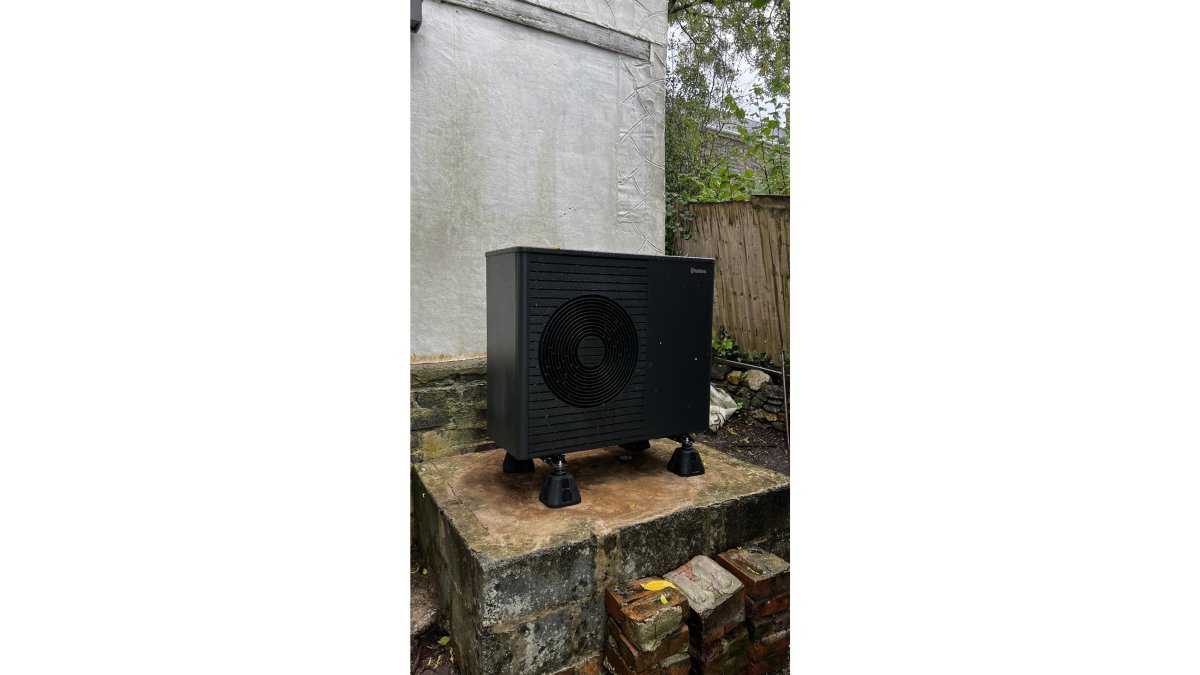
Heat pumps work effectively in older properties. The key is matching the system size and design to the building's actual heat loss, not assuming it's unsuitable based on age alone. Many older homes have solid stone walls.
A property with poor insulation will need a larger heat pump to maintain warmth, which increases capital cost but doesn't prevent the system from working.

The real performance gains come from combining a properly sized heat pump with targeted insulation improvements. Loft insulation and cavity wall filling are cost-effective upgrades that improve both comfort and efficiency.
Many homeowners worry that their older cottage or stone-built home won't be suitable. Age is rarely the barrier. What matters is the heat loss survey, the system design, and the quality of installation.
Heat Pump Insulation and Radiator Upgrades: Maximising Your Savings
Heat pumps operate most efficiently when they run at lower temperatures than traditional boilers. This suits underfloor heating perfectly, but many homes have conventional radiators sized for higher-temperature operation. Oversized radiators work fine, they just don't fully exploit the heat pump's efficiency advantage.
Upgrading radiators isn't always necessary. Many existing radiators perform well with heat pumps, especially if your home is reasonably well insulated. But larger radiators or additional radiators in poorly heated rooms can improve comfort and efficiency. The decision depends on your specific property and how the system is designed.
Insulation improvements deliver genuine savings. A home with good loft insulation, draught-proofed windows, and sealed gaps loses less heat, meaning your heat pump runs less frequently and consumes less electricity. The payback on insulation work is often faster than the payback on the heat pump itself, especially for loft insulation, which is relatively inexpensive.
The relationship between heat pump savings and insulation is straightforward: better insulation means lower heat demand, which means lower running costs and faster payback. Many homeowners find that combining a heat pump with targeted insulation improvements delivers the best financial outcome.
Best For Properties with solid walls, older construction, and limited existing insulation. The heat pump handles the heating demand, and insulation upgrades reduce that demand over time.
Government Grants and Payback Periods for Heat Pump Installations
Government support for heat pump installation exists in the form of the Boiler Upgrade Scheme, which provides funding towards the cost of installing an air source heat pump. The scheme helps reduce upfront costs, improving the payback period on your investment.
Eligibility for the scheme depends on several factors, including your property type and current heating system. Not all properties qualify, and the application process requires certified installation. Working with an MCS-certified installer like Heatgeek Wales ensures your system meets the standards required for grant applications.
Payback periods vary widely depending on your current heating costs, the size of your system, and the insulation improvements you make. A property with high oil heating bills and a well-designed heat pump installation might see a reasonable payback period. A property with lower heating costs may take longer.
Many homeowners focus too heavily on payback period and miss the broader financial picture. Even if payback takes longer, you're locking in predictable electricity costs instead of exposing yourself to volatile oil prices. Over a long timeframe, that stability often delivers more value than the headline payback figure suggests.
If customers contact us directly, we will carry out the survey for free, saving them £250. This removes one barrier to understanding your actual potential savings before you commit to the project.
Common Concerns About Switching From Oil to Heat Pumps
Homeowners considering the switch often voice legitimate concerns. Will the system actually deliver the savings we claim? What if my older home isn't suitable? How do I know the installer is legitimate?
Performance guarantees are a common question. We can't guarantee specific savings because they depend on factors beyond our control, how you use the heating, changes in electricity prices, and how well you maintain the system.
Older properties are genuinely suitable for heat pumps. The concern usually stems from confusion about insulation requirements. Heat pumps work in uninsulated properties, they just work harder and consume more electricity. Combining a heat pump with insulation improvements is the optimal approach, but neither is a prerequisite for the other.
Installer legitimacy matters enormously. MCS certification is the standard to look for. It ensures the installer meets strict technical and professional standards, and it's required to claim government grants. Ask for references from similar properties and check that the installer carries current MCS accreditation.
Running costs during the first winter often surprise homeowners. Heat pumps operate differently from boilers, and some people use more heating while getting used to the system. This typically settles down after the first heating season once you understand how the system responds.
Watch Out Avoid installers who promise specific savings figures without conducting a heat loss survey. A proper survey is the only way to model realistic running costs for your property.
Conclusion: Making the Switch to Heat Pump Savings
Heat pump savings from oil boiler transitions are real, but they depend on proper design and installation. The technology works, thousands of Welsh homeowners are already benefiting from lower heating bills. The challenge is ensuring your specific system is sized correctly and installed to specification.
At Heatgeek Wales, we use MCS-certified engineering and data-backed designs based on detailed heat loss surveys. Our approach ensures your system performs as intended, delivering the efficiency and cost savings you're expecting. We also provide 24/7 remote monitoring and optimisation, so your system continues to perform at peak efficiency throughout its life.
If you're serious about reducing your heating costs and moving away from oil boilers, the first step is a proper heat loss survey. Contact Heatgeek Wales for your instant heat pump estimate, we'll show you exactly what your property could achieve and what the real-world running costs would look like. The survey itself is free when you contact us directly, which removes the guesswork from your decision.
Frequently Asked Questions
Can a heat pump really save money compared with an oil boiler?
Yes. Heat pumps typically reduce heating costs by 50-70% compared to oil boilers because they move heat rather than generate it through combustion. The exact saving depends on your current oil boiler's efficiency, your home's insulation, and your heat pump's SCOP rating. Most homeowners see measurable reductions in their monthly heating bills within the first year of operation.
How do heat pump running costs compare to oil boiler costs in practice?
Oil boilers cost more to run because oil prices fluctuate and combustion heating wastes energy. A heat pump uses electricity to extract heat from outside air, even in cold weather, making it far more efficient. Running costs depend on your electricity rate and system design, but households switching from oil typically report significant annual savings, though individual results vary based on property size and usage patterns.
Will a heat pump work in my older home with solid walls and poor insulation?
Heat pumps work in older homes, including those with solid walls, though performance improves with insulation upgrades. A well-designed system accounts for your home's thermal characteristics. Radiator upgrades or underfloor heating may be needed to deliver heat efficiently at lower temperatures. An MCS-certified engineer will assess your property and design a system matched to your specific conditions, not a generic installation.
What grants are available to help with heat pump installation costs?
The Boiler Upgrade Scheme provides support for eligible homeowners installing air source heat pumps. The Warm Homes Nest scheme also offers funding for qualifying properties. Eligibility depends on factors like property type, current heating system, and household circumstances. Contacting an MCS-certified installer directly helps clarify what support you qualify for, many installers handle the application process as part of their service.
The transition from oil to heat pumps represents a genuine opportunity to reduce your energy bills and improve your home's environmental performance. With proper design, installation, and support, you'll benefit from years of lower heating costs and greater peace of mind. Let Heatgeek Wales help you make that switch with confidence.
Click for your Instant heatpump estimate here
Comments