

Heat Pump Remote Monitoring Benefits: 2026 Guide
Table of Contents
What Heat Pump Remote Monitoring Actually Does
The Heat Pump Remote Monitoring Benefits That Cut Bills
How Heat Pump Performance Monitoring Keeps Output High
Heat Pump Fault Alerts: Catching Problems Before They Cost You
Using a Heat Pump Monitoring App Day to Day
Heat Pump Data Privacy: Who Sees Your Data
Is Remote Monitoring Worth It for Your Home?
Frequently Asked Questions
Last Updated: 18 October 2026
What Heat Pump Remote Monitoring Actually Does
Heat pump remote monitoring is a system that tracks your heating performance continuously and sends the data to an engineer who can adjust settings without visiting your home. At Heatgeek Wales, we fit monitoring as part of our MCS-certified air source heat pump installations, and it changes how a system performs after handover.
Most homes get a heat pump set up on day one and then left alone for years. That is where efficiency quietly drains away. Remote monitoring keeps watch on the parts that matter: flow temperature, compressor behaviour, and how the system responds to cold snaps.
The Microgeneration Certification Scheme sets the standards installers must meet, and proper commissioning sits at the heart of it. Monitoring simply extends that care beyond installation day.
The Heat Pump Remote Monitoring Benefits That Cut Bills
The clearest heat pump remote monitoring benefits show up on your energy bill. A heat pump runs most efficiently at the lowest flow temperature that still keeps your home warm. Small adjustments to that setting, made with real data, can trim running costs over a full heating season.
Here is what monitoring typically delivers:
Lower flow temperatures tuned to your actual home, not a guess
Faster spotting of settings that waste energy
Better use of cheap or off-peak electricity
Fewer unnecessary engineer visits
We design systems using data from thousands of previous heat loss surveys. That baseline matters. Without it, monitoring is just watching numbers with no reference point.
Pro Tip Ask your installer what flow temperature your system was designed for. If nobody can tell you, the design was never properly documented, and monitoring will have little to work against.
How Heat Pump Performance Monitoring Keeps Output High
Heat pump performance monitoring compares what your system should deliver against what it actually delivers. When the two drift apart, something needs attention.
A heat pump's efficiency drops for boring reasons. A dirty filter, a sensor reading slightly off, or a radiator that no longer balances properly. None of these announce themselves. You just notice the house feels cooler and the bill looks higher.
Monitoring catches the drift early. An engineer reviews the data and makes a small correction. That is far cheaper than waiting for a breakdown in February.
What Monitoring Tracks | Why It Matters | What Happens Without It |
Flow temperature | Drives running efficiency | System runs hotter than needed |
Compressor cycles | Shows strain and short cycling | Wear builds up unnoticed |
Room vs target temp | Reveals balance problems | Cold rooms go unfixed |
Electricity use | Links cost to output | Bills rise with no clear cause |
Heat Pump Fault Alerts: Catching Problems Before They Cost You
Heat pump fault alerts flag issues the moment the system reports them, often before you notice anything wrong at home. That early warning is the difference between a quick fix and an emergency callout.
Modern heat pumps log fault codes internally. Without monitoring, those codes sit unread until something fails outright. With alerts in place, your engineer sees the fault and can act.
Common alerts include:
Low pressure warnings
Defrost cycle problems in cold weather
Sensor faults
Communication errors between units
A common mistake is ignoring a minor alert because the heating still works. Faults rarely fix themselves, and a small issue left alone tends to grow into an expensive one.
Using a Heat Pump Monitoring App Day to Day
A heat pump monitoring app puts your system's health on your phone. You can check current performance, review past energy use, and see whether the system is running as designed.

In practice, most people check the app now and then rather than daily. That is fine. The app is a window, not a job. The real work happens when our team reviews the data and adjusts settings on your behalf.
What you should look for:
Whether the system is meeting your target room temperature
Any change in electricity use without a change in weather
Alerts that need a response
If something looks off, you contact us rather than guessing. That is the point of having an engineer on the other end.
Heat Pump Data Privacy: Who Sees Your Data
Heat pump data privacy concerns who can access your system's performance records and how that information is used. In practice, access stays limited to you and the engineers maintaining your system.
Your system generates a steady stream of data: temperatures, run times, energy use. That data belongs to you. Under UK GDPR and the Data Protection Act 2018, you have the right to know what is collected and why.
What good practice looks like:
Clear information on what is recorded
Access limited to the engineers who need it
No selling of your data to third parties
A simple way to ask what is held about you
Ask any installer how they handle your data before you sign. It is a fair question and a quick way to spot a professional operation.
Is Remote Monitoring Worth It for Your Home?
Remote monitoring is worth it if you want your heat pump to keep performing at its design efficiency rather than slowly drifting. The cost of monitoring is small next to the cost of a poorly running system over several winters.
If customers contact us directly we will carry out the survey for free saving them £250. That survey is what makes monitoring meaningful, because it gives us the baseline to compare against.
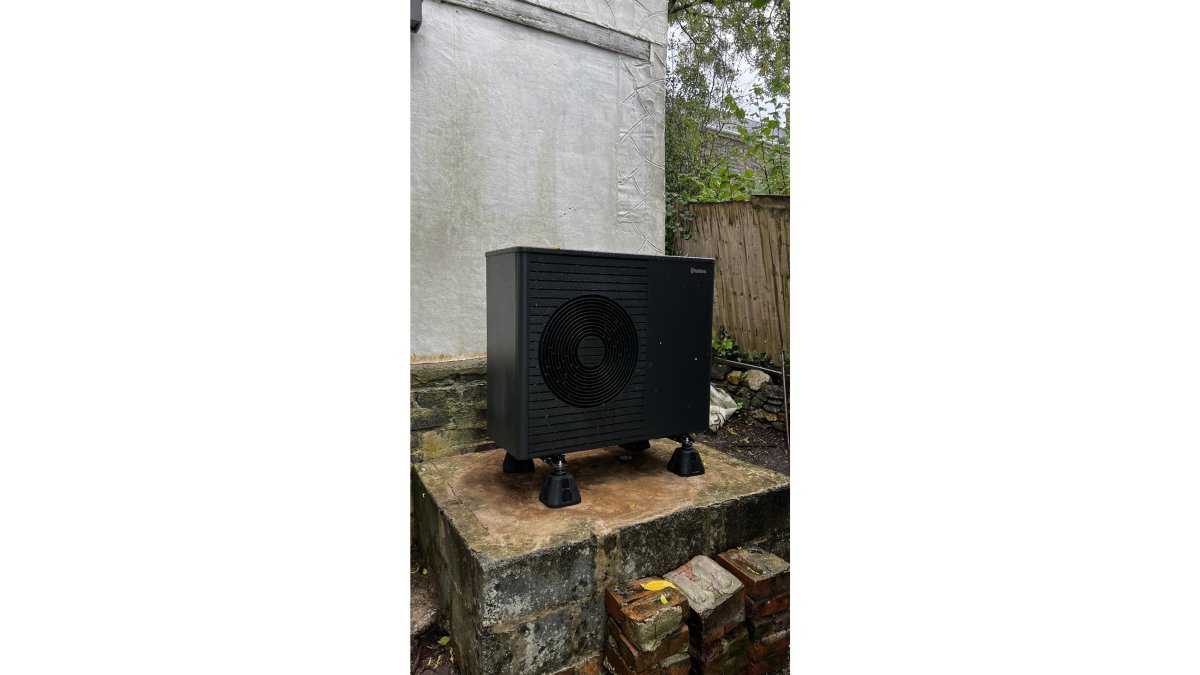
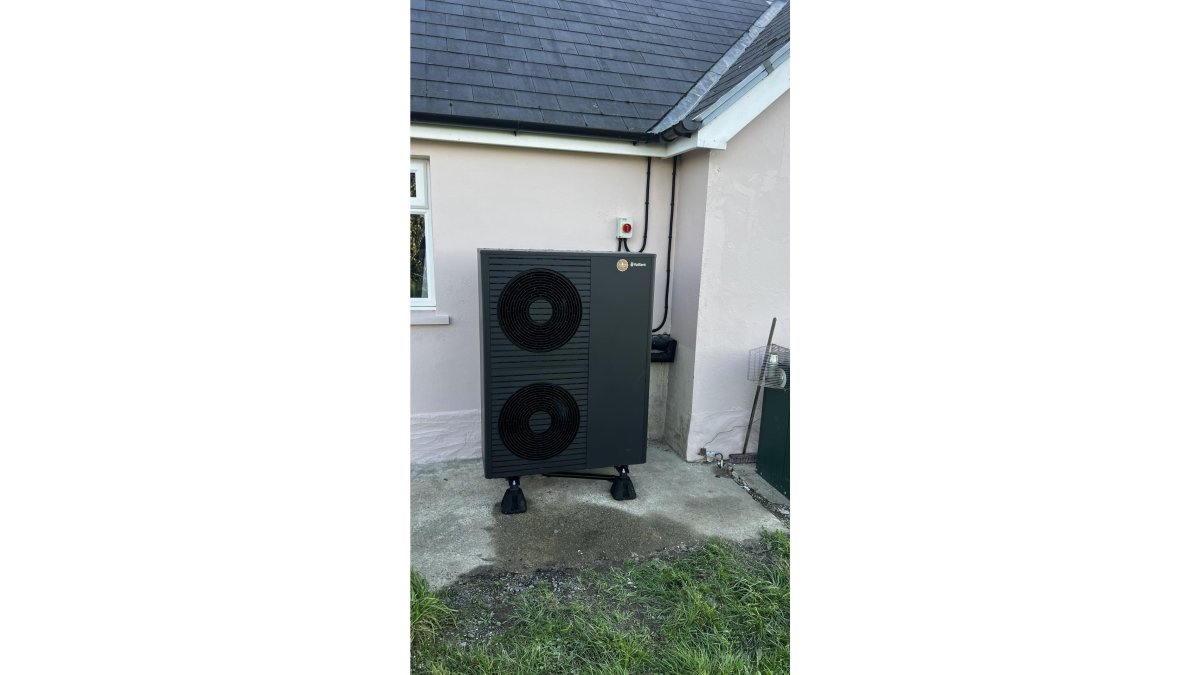
Our view is simple. A heat pump without monitoring is a system nobody is watching. Ours are watched 24/7, with Vaillant aroTHERM units and data-backed designs behind them.
Watch Out Do not accept a monitoring promise without a named person or team reviewing the data. Automated alerts alone miss the slow drift that costs the most money.
Frequently Asked Questions
What is remote monitoring for a heat pump?
Remote monitoring connects your air source heat pump to a secure online system so an engineer can see how it is running without visiting your home. Sensors record temperatures, flow rates and electricity use, and that data is sent to a dashboard. Your installer can then check performance, spot settings that are wasting energy and confirm the system is delivering the efficiency it was designed for.
Can remote monitoring identify a heat pump fault?
Yes. Heat pump fault alerts flag abnormal readings, such as a flow temperature that will not rise or a compressor working harder than it should. An engineer sees the alert and can often diagnose the cause remotely, then either adjust settings or arrange a visit with the right part. Catching a fault early usually prevents a small issue from turning into a cold house and a larger repair bill.
Do I need an internet connection for heat pump remote monitoring?
A stable broadband connection is needed for the monitoring hardware to send data to your installer. Most systems use a small gateway plugged into your router or connect over Wi-Fi. If your connection drops, the heat pump keeps running normally and data is usually stored locally until the link returns, so you are not left without heating.
Who can access the data from a remotely monitored heat pump?
Access is controlled by permissions. You can see your own system through the heat pump monitoring app, and your installer can view the data to support performance checks and fault alerts. Reputable providers explain what is collected, who it is shared with and how long it is kept, in line with UK data protection law. Ask for that detail before you sign up.
A heat pump only delivers its best savings when someone is actually watching how it runs. That is where Heatgeek Wales comes in: MCS-certified engineering, 24/7 remote system monitoring and optimisation, and Vaillant aroTHERM installations built on data from thousands of heat loss surveys. Get started with Heatgeek Wales and keep your heating performing at its peak, season after season.
Click for your Instant heatpump estimate here
Comments