

The Best Biomass Fuel for Domestic Boilers Compared
Last Updated: November 14, 2026
Quick Summary
Wood pellets are the best biomass fuel for domestic boilers where automation matters most, thanks to their consistent size and low moisture content of typically under 10%. Wood chip is generally the cheapest biomass fuel per unit of heat, but it needs far more storage space and a chip-rated boiler.
Pellets certified to ENplus A1 typically deliver around 4.6 to 5.0 kWh per kilogram.
Logs must be seasoned below 20% moisture, tested on a freshly split face rather than end grain.
Wood chip at 25% moisture commonly falls in the 3.5 to 4.0 kWh per kilogram range.
A well-set pellet boiler on good fuel might achieve 90% efficiency or slightly above.
Plan fuel storage around your worst-case winter consumption, not your average.
Biomass or heat pump for your home?
Heatgeek Wales designs MCS-certified heat pump systems with free surveys and remote monitoring.
Table of Contents
How Biomass Boilers Work and Why Fuel Choice Decides Performance
Biomass fuel is any solid wood-based material burned in a boiler to produce heat, and the type you choose determines how the entire system performs. Two identical boilers on the same street can run at very different efficiencies purely because of what goes into the hopper. A biomass boiler burns wood to heat water for radiators and hot water, and its efficiency depends on fuel moisture, size consistency and calorific value.
Fuel choice affects three things at once: how often you load the boiler, how much ash you clear, and what you spend per kilowatt-hour of heat. Get the fuel wrong and even a well-designed system underperforms. If you are still weighing up whether a biomass boiler suits your property, our guide on how to decide if a biomass boiler suits your off-grid home walks through the compatibility questions first.

The 5 fuel routes we compare below each suit a different household, and none of them is universally "best".
Wood Pellets for Biomass Boilers: The Low-Hassle Option
Wood pellets are compressed sawdust formed into uniform cylinders, and they are the best biomass fuel for domestic boilers where automation matters most. Their consistent size and low moisture content, typically under 10%, make them ideal for automatic feeding through a screw auger from a fuel hopper. Energy density is high, so a compact store holds a lot of heat.
Pellets are pricier per tonne than chips or logs, but for households wanting minimal manual intervention, that premium buys genuine convenience. Pricing depends on quantity, delivery and supplier, so check current prices with your fuel supplier or request a quote from Heatgeek Wales.
Best for: automated pellet boilers in homes where convenience beats headline fuel price. Skip if: you have no dry, covered space for a bulk pellet store.
Wood Chip Biomass Boiler Fuel: Cheapest per kWh, Hungriest on Space
Wood chip is generally the cheapest biomass fuel per unit of heat, though pricing depends on quantity, delivery and supplier. It suits larger domestic properties and anyone with room for a serious fuel store. Chips are less processed than pellets, which keeps the price down, but their lower energy density means you need far more volume to store the same heat output.
Moisture content varies widely with seasoning, so fuel quality control matters more than with pellets, and your boiler must be designed specifically to handle chip. Delivery access is critical: a tipper lorry needs room to tip, and a blower hose needs a clear run to the store.
Best for: larger rural homes with space for bulk storage and a chip-rated boiler. Skip if: your store is small or your delivery access is tight.
Logs and Briquettes for Manual-Feed Boilers
Seasoned firewood logs and wood briquettes suit manual-loading boilers and stoves, where you accept some daily labour in exchange for fuel flexibility and low cost. Logs must be seasoned to below 20% moisture content for efficient burning; damp firewood wastes heat boiling off water and coats the flue with tar. Briquettes made from compressed sawdust burn hotter and more consistently than many logs, and take up less storage space.
Manual loading means feeding the fire by hand, often twice a day in winter, a routine that suits some households and frustrates others. Buying firewood locally cuts transport emissions and keeps costs down. Stack logs under cover with airflow around them, and buy a moisture meter before you commit to a load.
Best for: households with time for daily loading and access to local seasoned wood. Skip if: you want a hands-off heating system.
Biomass Fuel Quality and Moisture Content: What Actually Burns Well
Fuel quality and moisture content are the biggest determinants of boiler efficiency, and where most owners lose money without realising it. Water in the fuel must be boiled off before the wood gas will burn, so every kilogram of moisture steals heat that should have gone into your radiators.
For pellets, the recognised benchmark is the ENplus scheme, with A1 the grade most domestic boilers are designed around. ENplus A1 sets limits on moisture (typically under 10%), ash (around 0.7% or lower), fines and mechanical durability, and is independently audited.
For wood chip there is no single consumer-facing certification, so the supplier specification sheet matters more.
For logs, the practical test is moisture below 20%, measured on a freshly split face rather than the end grain, because the outside dries faster than the inside. A cheap moisture meter is the single best investment a log burner can make.
The table below summarises what to look for across each fuel type.
Fuel | Target Moisture | Key Quality Check | Ash Level |
Wood pellets | Under 10% | ENplus A1 certification | Low |
Wood chips | 20% to 30% | Supplier specification sheet: moisture, particle size, fines | Moderate |
Logs | Below 20% | Moisture meter reading on a freshly split face | Moderate |
Briquettes | Low, dry | Dense, unbroken, holds shape | Low to moderate |
A common mistake is buying cheap, unseasoned wood and assuming the boiler will cope. It will burn, but poorly, and the cost shows up later in flue cleaning and reduced heat output. Always ask suppliers for fuel specification data and check moisture with a meter on delivery.
Watch out: a moisture meter reading taken on the end grain of a log can be several percentage points lower than the true moisture inside. Split a log and test the fresh face.
Biomass Fuel Storage Requirements and Delivery Access
Storage is the constraint most homeowners underestimate, and it decides which fuels are realistically available. Pellets need a dry, ventilated hopper or bulk store sized for a few weeks of winter demand. Wood chips need considerably more volume for the same heat, often a dedicated bay or underground store. Logs need a covered, open-sided stack with airflow.
Delivery access shapes the whole design. Bulk pellet and chip deliveries arrive by tanker or tipper, so your driveway needs to accommodate the vehicle and a hose or tip path to the store. If access is tight, bagged pellets or locally sourced logs may be the practical answer.

Plan storage around your worst-case winter consumption, not your average, and confirm delivery access before you buy the boiler.
Cost per Useful kWh, Efficiency and Whole-Life Ownership
Comparing fuels fairly means comparing cost per useful kilowatt-hour of heat delivered into your radiators, not cost per tonne at the gate. The gap between the two is large, and three variables do the damage: moisture content, calorific value and boiler efficiency.
Start with moisture. Wood is sold by weight, but a kilogram of 30% moisture chip contains far less burnable material than a kilogram of 10% pellet, because much of the combustion energy is spent driving off water as steam.
Next, calorific value. Pellets certified to ENplus A1 typically sit around 4.6 to 5.0 kWh per kilogram on a net calorific value basis. Seasoned logs below 20% moisture land around 4.0 to 4.5 kWh per kilogram.
Then boiler efficiency. A well-set pellet boiler on good fuel might achieve 90% or slightly above. A hand-fired log boiler, refuelled twice a day and running below design output for part of the cycle, may realistically deliver 75% to 85%.
Watch out: a supplier quoting a price per tonne without a moisture figure or calorific value is giving you a number you cannot compare. Ask for both in writing before you order.
Whole-life ownership adds the costs the fuel price hides. Servicing is typically annual and varies by boiler type, with pellet and chip appliances generally needing more attention than a log boiler because of the feed mechanism and sensors.
A common pattern is that households with space and access for bulk chip end up with the lowest running cost, households that value their time choose pellets and pay a premium, and households with a good local log supplier and a manual boiler get a middle path. For a broader running-cost comparison against other off-grid options, see our guide to alternatives to LPG heating for off-grid homes, and for a like-for-like view against your current setup, our breakdown of heat pump savings from an oil boiler is worth reading.
Get a Free Heat Pump Survey Before You Commit to Biomass
Before you invest in a biomass boiler and a fuel store, it is worth confirming that biomass is genuinely the right renewable heating choice for your property. A heat pump often delivers lower running costs and no fuel handling at all, and the right answer depends on your insulation, space and budget. Our team at Heatgeek Wales provides MCS-certified air source heat pump engineering, with designs based on data from previous heat loss surveys.
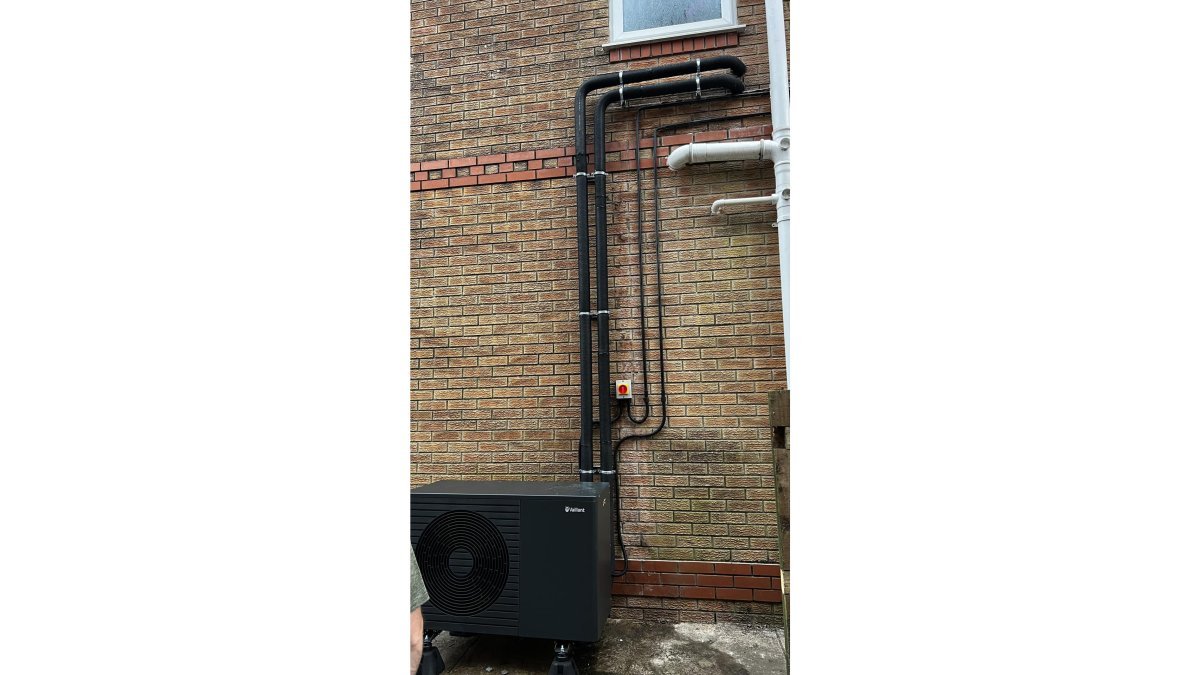
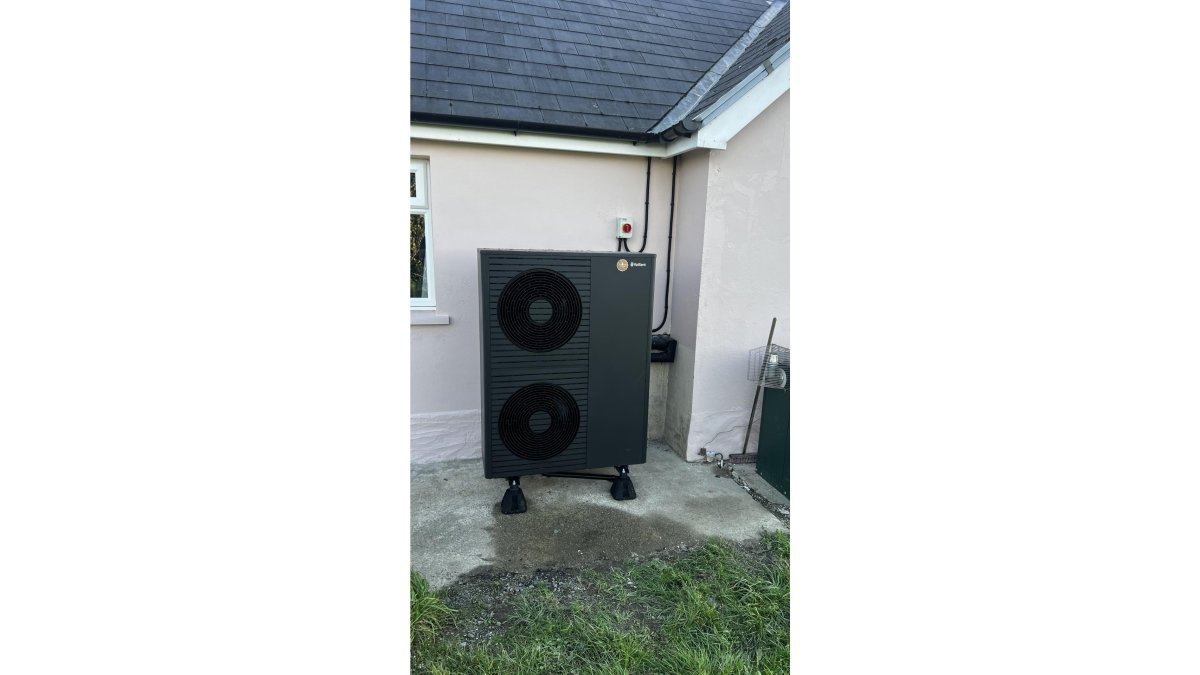
If you contact us directly, we will carry out the survey for free, saving you £250. We install Vaillant aroTHERM heat pumps backed by remote monitoring and optimisation, and our data-backed designs aim for lower energy consumption than traditional systems. To see what else is possible without fossil fuel, explore our heat pump options for homes without gas, or read what happens during a heat pump survey so you know exactly what to expect on the day.
Choosing a fuel is really a decision about how much handling you will accept in exchange for lower running costs. If you would rather skip the hopper, the ash and the deliveries entirely, get started with Heatgeek Wales and book your free survey to find out what a heat pump could do for your home.
Frequently Asked Questions
What is the best fuel for a domestic biomass boiler?
There is no single winner: it depends on your boiler and your space. Wood pellets suit automatically fed boilers and give consistent combustion with low ash. Wood chips cost less per kWh but need a chip-rated boiler and a large store. Logs only work in manual-feed appliances and must be seasoned below 20% moisture. Match the fuel to the boiler's specified fuel list first, then weigh up storage, delivery access and how much hands-on work you accept.
Are wood pellets or wood chips better for a biomass boiler?
Pellets are denser, flow reliably through auger feeds and burn cleanly, which is why most domestic automatic boilers are pellet-rated. Chips are cheaper per kWh but bulkier, so they need roughly three times the storage volume for the same heat and a boiler designed for variable chip size. For a typical house with limited storage, pellets are the practical choice. For a larger property with a dedicated fuel store and chip supply, chips cut running costs.
What fuel quality and moisture content does a biomass boiler need?
Moisture is the single biggest factor. Pellets should sit under about 10% moisture, seasoned logs below 20%, and chips typically in the 20-30% range depending on the boiler. Wet fuel wastes energy boiling off water, raises particulate emissions and causes tar and creosote build-up. Buy certified pellets, ask suppliers for moisture figures and check chips for consistent size, since oversize pieces jam feed systems.
How should biomass fuel be stored?
Pellets must stay bone dry, so use a sealed hopper or a dedicated store with a delivery hatch and keep bags off damp floors. Chips need a covered, ventilated bay because fresh chips heat up and can compost if piled wet. Logs want a dry, airy stack raised off the ground. In every case, plan delivery access: tanker hose reach for pellets, tipper clearance for chips and a hardstanding for log drops, or you will pay more for awkward deliveries.

Comments