

How to Lower Energy Bills in Wales: A Practical Guide
Last Updated: November 4, 2026
Quick Summary
To learn how to lower energy bills in Wales, cut waste before spending on new kit: check your tariff, meter and payment method, then cut standby use and adjust heating schedules. Insulate lofts and pipes, claim any grant you qualify for, and replace an old oil or LPG boiler with a heat pump.
Take a meter reading today and submit it if your last bill was estimated.
Turning down flow temperature lets heating run more gently for the same comfort.
Switch appliances off at the wall rather than leaving them on standby.
The Boiler Upgrade Scheme grant requires an MCS-certified installer.
Call your supplier early if behind on bills to keep payment options open.
Table of Contents
How to Lower Energy Bills in Wales: Your Step-by-Step Plan
Learning how to lower energy bills in Wales starts with one idea: cut the waste before you spend on new kit.
At Heatgeek Wales, we design heating systems for homes across the country.
So here is the plan we would follow, in order:
Check your tariff, meter and payment method
Cut standby waste and change a few daily habits
Lower your heating flow temperature and set a sensible schedule
Insulate what you can, especially lofts and hot water pipes
Claim any grant you qualify for
Replace an old oil or LPG boiler with a heat pump
That last step is where the biggest savings sit.
First, the free stuff. It costs nothing and it works.
Here is the order we would tackle it in, from the free checks to the bigger investments.
Step | What to do |
1 | Check your tariff, meter and payment method |
2 | Cut standby waste and change a few daily habits |
3 | Lower your heating flow temperature and set a sensible schedule |
4 | Insulate what you can, especially lofts and hot water pipes |
5 | Claim any grant you qualify for |
6 | Replace an old oil or LPG boiler with a heat pump |
The Real Cost of Air Source Heat Pumps and How They Cut Bills
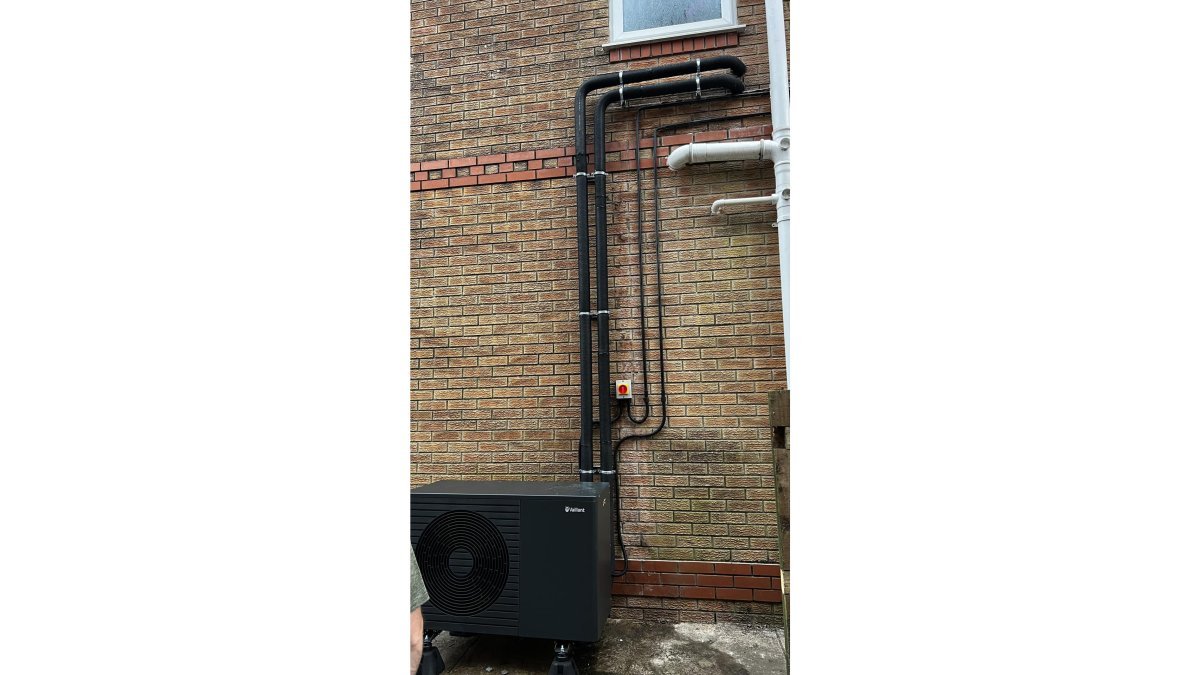
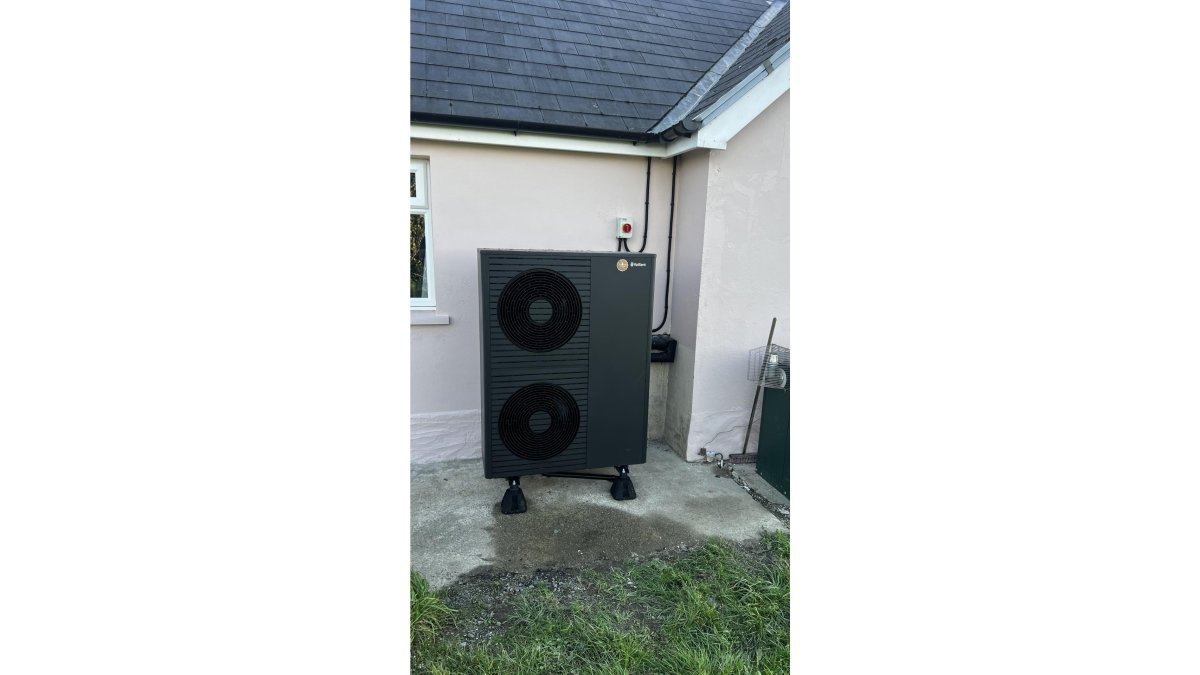
An air source heat pump generally costs more upfront than a gas boiler, but it runs on electricity and moves heat rather than burning fuel.
Pricing depends on the property, the size of the unit and the work needed. For a full breakdown of what you would actually pay, see our guide to the cost of air source heat pump installation.

(https://www.find-government-grants.service.gov.uk/grants/boiler-upgrade-scheme-1)). You apply through your installer, who submits the claim on your behalf.
Eligibility depends on your property and current heating system. The rules can change, so always check the official Boiler Upgrade Scheme guidance before you commit. Our walkthrough on how to claim the Boiler Upgrade Scheme grant covers each step.
Warm Homes Nest: Support for Welsh Households
Warm Homes Nest is the Welsh Government scheme for households on lower incomes or in older, harder-to-heat homes. It can fund insulation and heating improvements.
Support depends on your circumstances and the current phase of the scheme. Check the Warm Homes Nest scheme details for the latest position, or read our piece on whether you can get the Warm Homes Nest grant this year.
Why MCS-Certified Installers Matter for Your Savings
MCS certification is the industry standard for renewable heating, and it is required for the Boiler Upgrade Scheme grant.
M Price Plumbing & Heating Limited
Choosing an uncertified fitter can mean the grant claim fails, so it is worth checking credentials first.
Ask for the MCS number and check it on the register. If you want to find MCS certified heat pump installers and verify their credentials, our guide sets out how.
Contacting Your Energy Supplier: Payment Plans and Debt Support
If you are behind on bills, the single most useful thing you can do is call your supplier before the arrears build up. Suppliers are regulated by Ofgem. The earlier you call, the more options stay open.
What to ask for on the call
Work through this list in order and take notes with the date, the adviser's name and any reference number:
A review of your monthly direct debit, so the amount reflects what you actually use rather than a stale estimate
A payment plan that spreads the debt over a realistic period, added to your ongoing usage rather than replacing it
A check that you are on the cheapest tariff available to you with that supplier, including any fixed deal you are eligible for
Ask the adviser to confirm the plan in writing, by email or in your online account. A verbal arrangement is hard to rely on if the account later falls into dispute.
Evidence you may be asked for
Suppliers vary, but a payment plan discussion usually goes more smoothly if you have to hand:
Your most recent bill or statement, showing the balance and the account number
A recent meter reading, so the balance is not inflated by estimated usage
A rough monthly budget covering income, housing costs and essentials
You do not need to produce a formal financial statement to start the conversation. The point is to show what you can realistically pay each month.
If you cannot reach an agreement
If the supplier will not offer an affordable plan, or you believe the balance is wrong, escalate in this order:
Ask for a formal complaint and get a complaint reference
Give the supplier a reasonable period to respond
If the complaint is not resolved, take it to the Energy Ombudsman
In the meantime, contact Citizens Advice for independent guidance, and speak to your local council about household support and emergency help with energy costs. Many councils also run their own energy advice services, and community organisations and warm hubs can offer a warm space and practical guidance.
Watch out: cancelling your direct debit to stop payments while a bill is disputed can cause complications. Ask for the direct debit to be reviewed instead.
If you cannot afford to pay at all
Tell the supplier plainly that you are in financial difficulty. They should discuss a repayment arrangement, and they can offer access to independent debt advice.
Renters can act here too. If energy is included in your rent and the bill is high, ask the landlord for a copy of the supply details and check what your council can do if the property is hard to heat.
Practical Ways to Reduce Energy Use at Home
Small changes stack up, but only if you know which ones actually move the meter. The list below is ordered roughly by effort-to-saving ratio, starting with the checks that cost nothing and take minutes.
Check your tariff, meter and payment method first
Before changing any habits, confirm you are being billed correctly. This is the step most guides skip, and it is often where the biggest single saving sits.
Take a meter reading today and compare it with the reading on your last bill. If the bill is based on an estimate, submit the actual reading, estimated bills are a common cause of overpayment followed by a shock catch-up demand
Check your tariff name and unit rate against the offers available to you. Loyalty to a default variable tariff is rarely the cheapest option, and switching does not require new pipework or a new meter
Check your payment method, as different options can carry different charges
Reviewing your tariff once a year, and after any change in household size, is a low-effort habit worth building.
Heating and thermostat adjustments that work
Turning down your flow temperature can be a useful free change for many homes, as it lets the heating system run more gently for the same comfort.
Set your thermostat a degree or two lower and heat rooms when you use them, not all day. Zoning and timed schedules matter more than a single setpoint, heating an empty house is pure waste. Our guide on how to set heat pump flow temperature explains the settings in detail.
Watch out: dropping the flow temperature too far on an old radiator system can leave rooms cold, particularly in poorly insulated homes. Adjust in small steps, check comfort over a few days, and only then go lower.
Other heating checks worth doing once:
Bleed radiators that are cold at the top, trapped air forces the boiler to work harder
Move furniture and curtains clear of radiators so heat reaches the room rather than the back of a sofa
Close internal doors to keep heat in the rooms you use
Everyday habits: appliances, showers and standby mode
These are the changes most households can make this week without spending anything:
Switch appliances off at the wall rather than leaving them on standby, chargers, TVs, consoles and set-top boxes all draw power when idle
Run the washing machine and dishwasher on full loads only, and use the eco setting where available
Use a lower temperature wash cycle, modern detergents work well at lower temperatures
None of these will transform a bill on their own. Together, over a year, they reduce the baseline that every other measure builds on.
What renters can do
If you rent, you can still act on most of the above, tariff checks, meter readings, standby habits, shower heads and curtain timing are all within your control. Measures that need permission, such as loft insulation, draught-proofing of external doors, heating controls or a boiler replacement, should be requested from your landlord in writing. Keep a copy of the request.
Local Council and Community Support Routes
Your local council can point you to household support and emergency help with energy costs. Many councils also run their own energy advice services.
Community organisations and warm hubs offer a warm space and practical guidance. Some provide Welsh-language support, so ask if that matters to you.
Renters can still act. Ask your landlord about insulation and heating upgrades, and check what your council can do if the property is hard to heat.
Getting Your Instant Heat Pump Estimate
Cutting your bills is a series of small steps, then one big one.
If your old oil or LPG boiler is the main drain on your budget, a properly designed heat pump is the fix.
Get started with Heatgeek Wales to see what a heat pump design could do for your energy costs. Click for your instant heat pump estimate.
Frequently Asked Questions
What government grants are available for energy efficiency in homes in Wales?
The main schemes include the Boiler Upgrade Scheme, which provides a grant towards the cost of an air source heat pump, and the Warm Homes Nest scheme, which can support energy efficiency improvements for eligible Welsh households. Eligibility depends on your home's energy performance and your circumstances. Contact your local council or an MCS-certified installer to check what you qualify for and get help with the application process.
How much can an air source heat pump save on annual energy costs?
Savings depend on your current heating system, your home's insulation and your energy tariff. For a typical home replacing an old oil or LPG boiler, a well-designed air source heat pump can cut heating energy use by up to 70%. That translates to significant annual savings on your energy bills. A proper heat loss survey and system design are essential to achieve these figures, so ask your installer for a data-backed estimate.
How does an MCS-certified installation improve system efficiency?
MCS certification means the installer meets industry standards for renewable heating design and installation. A certified installer will carry out a full heat loss survey, size the system correctly and commission it to perform efficiently. This helps your heat pump run as designed. MCS certification is also required to claim the Boiler Upgrade Scheme grant.
What are the most effective ways to reduce heat loss in older properties?
Start with loft and cavity wall insulation if possible, then draught-proof windows and doors. For solid-wall properties, consider internal or external wall insulation. Also check your heating controls: a smart thermostat and thermostatic radiator valves help you heat only the rooms you use. These measures reduce heat loss and make any heating system, including a heat pump, work more efficiently.

Comments