

7 Heat Pump Performance Truths for Cold Weather
Last Updated: 1 November 2026
Quick Summary
Heat pump performance in cold weather is the measure of how much heat an air source heat pump delivers, and how much electricity it uses, as outdoor temperatures fall. Output drops as it gets colder, but a well-sized pump holds its output through a cold snap. The key figure is capacity at your design outdoor temperature, not the headline rating at mild conditions.
A quoted minimum operating temperature, often around −20°C, tells you the compressor will run, not how much heat it delivers.
Defrost cycles briefly pause output and use a little energy, and are normal in cold, damp weather.
Lower flow temperatures raise efficiency, so lower yours in small steps until rooms stop reaching target.
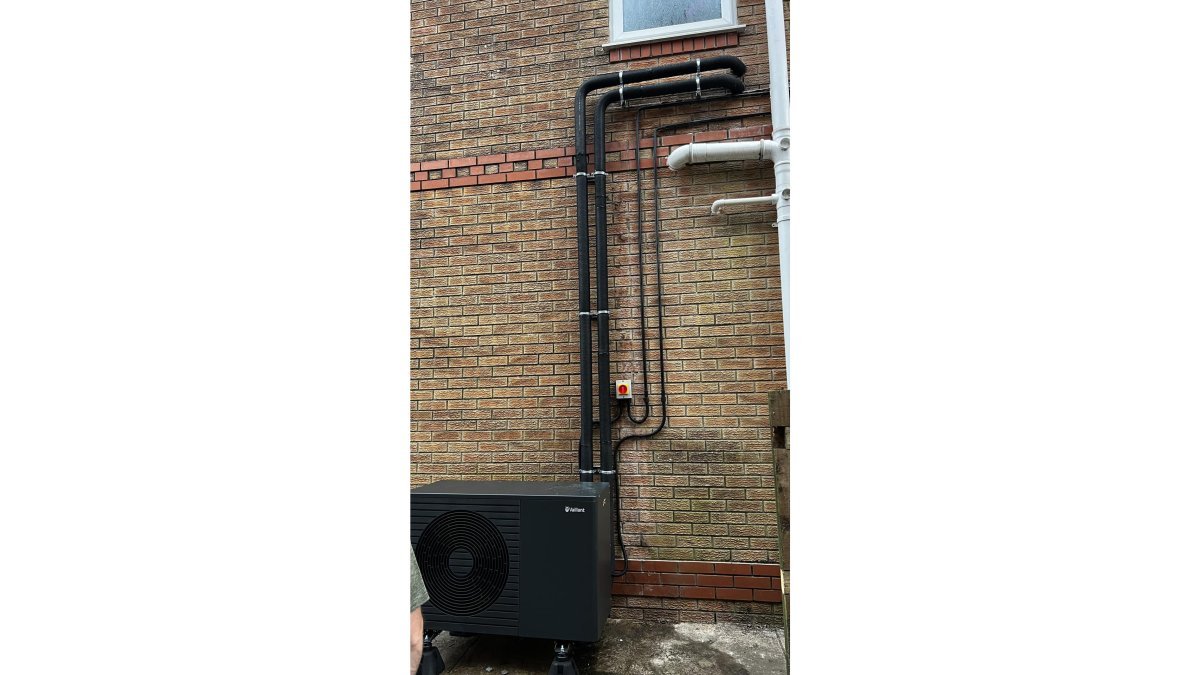
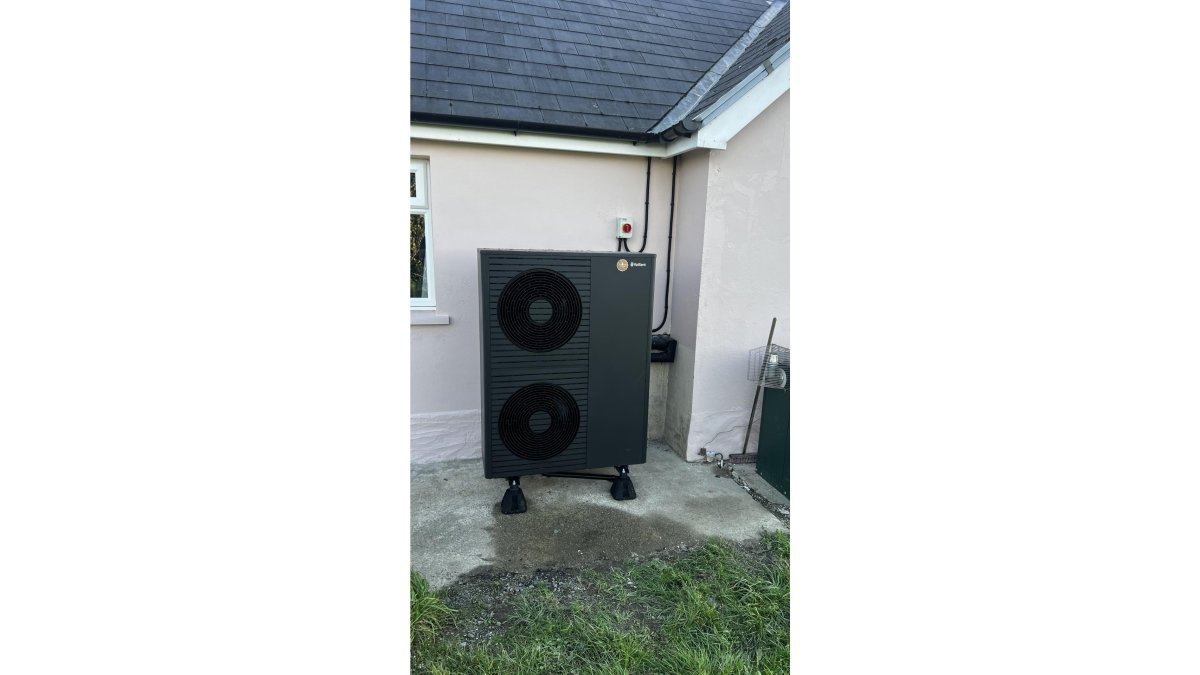
Keep the outdoor unit clear of walls, leaves and snow drifts so airflow stays strong.
A sudden jump in electricity use that does not match the weather usually points to a settings issue, a defrost problem or a fault.
Table of Contents
What Heat Pump Performance in Cold Weather Actually Means
Heat pump performance in cold weather is the measure of how much heat an air source heat pump delivers, and how much electricity it uses to do so, as outdoor temperatures fall.

Two numbers tell the story. Heating capacity is the heat the pump can produce. Heat demand is what your building fabric loses through walls, roof and glazing. Winter performance is simply the gap between them.
Below, we explain what manufacturer data really says, how defrost cycles eat into output, and the settings that keep running costs down.
Why an Air Source Heat Pump Still Works at Sub-Zero Temperatures
An air source heat pump moves heat rather than making it. Even freezing air holds usable thermal energy, and the refrigerant in the outdoor unit boils at a temperature far below zero.
So the unit keeps extracting heat when the air outside is well below freezing. Output does fall as it gets colder, because there is less heat to collect.
Older properties are a common worry. guidance on heat pumps in older and hard-to-treat homes makes clear that solid walls and poor insulation raise heat demand, which is why correct sizing matters more than the pump's cold-weather rating. We cover this in our guide to heat pumps in old cottages.
Reading Manufacturer Data: Capacity, CoP and Operating Temperature Limits
Manufacturer figures are where most homeowners get misled, usually without anyone intending it. A datasheet quotes capacity and efficiency at specific outdoor temperatures and flow temperatures, and those conditions rarely match a January evening. The skill is not memorising a single minimum operating temperature; it is reading the table properly.
Three terms do the work:
Heating capacity (kW): heat output at a stated outdoor temperature and flow temperature.
Coefficient of performance (CoP): heat delivered per unit of electricity at one set of conditions.
Seasonal efficiency: the average across a whole heating season, which is the figure that affects your bills.
Why the test conditions matter more than the headline number
A datasheet typically gives capacity and CoP at a range of outdoor temperatures, often something like +7°C, +2°C, −2°C, −7°C and −10°C, and at a stated flow temperature, commonly 35°C or 45°C. Two pumps can quote the same CoP at +7°C and behave very differently at −2°C.
The general principle is that a headline figure at mild conditions can overstate cold-weather capacity, so the figure at your design temperature is the one to compare.
The four checks to run before you trust a figure
Find the design outdoor temperature for your area. This is the cold condition your system must meet, not an average winter day.
Read capacity at that temperature, not at +7°C. Confirm it exceeds your calculated heat loss with a sensible margin.
Note the flow temperature the figure assumes. A capacity quoted at 35°C flow is not the same as one at 45°C; lower flow temperatures generally reduce capacity as well as raising efficiency.
Check whether defrost is included. Some figures are quoted before defrost losses; in cold, damp weather the delivered output will be lower.
Watch Out Comparing two pumps on their headline CoP alone tells you almost nothing. A high CoP at mild conditions can hide weak cold-weather capacity. Check the capacity figure at the colder temperature and confirm it exceeds your calculated heat loss.
What a minimum operating temperature does and does not tell you
A quoted minimum operating temperature, often around −20°C for modern cold-climate units, tells you the compressor will still run. It does not tell you how much heat it will deliver at that point, or how efficiently.
This is also where sizing and system design meet the data. A pump sized on its +7°C rating will be undersized on the coldest days; one sized on its design-temperature capacity will hold output through a cold snap.
How the Heat Pump Defrost Cycle Affects Winter Output
The heat pump defrost cycle is a timed routine that clears frost from the outdoor unit's coil so airflow, and therefore heat collection, stays effective.
M Price Plumbing & Heating Limited
During defrost the pump briefly reverses, sending warm refrigerant through the outdoor coil to melt the ice. Output pauses and a little energy is used.
Frequent defrost cycles in damp, windy weather are the usual cause of a temporary dip in heat output.
Heat Pump Flow Temperature in Winter: Why Lower Is Better
Flow temperature is the temperature of the water the heat pump sends to your radiators. Lower flow temperatures raise efficiency, because the compressor works less hard to reach them.
Most of the time, a lower flow temperature still heats the house, it just takes longer to respond. That is why steady heating beats short bursts of high flow.
Practical steps for winter:
Find your current flow temperature setting.
Lower it in small steps over a few days.
Watch room temperatures during a cold spell.
Stop lowering when rooms stop reaching their target.
Leave the system running steadily rather than switching it off.
Our guide on how to set heat pump flow temperature walks through this in detail. Our article on whether you need new radiators explains when an upgrade is genuinely worth it.
Heat Pump Electricity Use in Winter: What the Meter Really Shows
Electricity use rises in winter, and that surprises people who expected a flat bill. Colder outdoor air means lower efficiency, and a colder house means more heat loss. Both push consumption up.
What the meter shows is a system working harder, not a system failing. The pattern to watch is a sudden jump that does not match the weather. That usually points to a settings issue, a defrost problem, or a fault.
This is where monitoring earns its keep. government guidance on smart meters and energy use data explains how half-hourly readings help you spot unusual patterns. Our overview of heat pump remote monitoring benefits covers how alerts and performance tracking turn those readings into action.
How to Improve Heat Pump Efficiency in Winter
Efficiency in winter comes down to three things: how well the building holds heat, how the system is set up, and how it is run day to day.
Insulate and draught-proof first. Loft insulation, cavity fill and sealed draughts cut heat demand directly.
Keep the outdoor unit clear. Remove leaves, snow and obstructions around the fan.
Run steady, low flow temperatures. Avoid big overnight setbacks that force a recovery burst.
A common mistake is turning the heating off during the day to save money, then blasting it on return. In practice, steady heating at a lower flow temperature usually costs less and feels better.
Cold-Weather Troubleshooting: When Performance Drops
When output falls short in a cold spell, work through the likely causes in a sensible order before assuming the worst. Most winter performance complaints turn out to be settings, airflow or defrost behaviour rather than a failed component.
First: is it normal defrost behaviour or a fault?
Defrost is a routine cycle, not a malfunction. Normal signs include:
Vapour rising from the outdoor fan during or just after defrost.
A short pause in heat output, typically a few minutes.
Frost appearing on the coil and clearing again.
Signs that point to a fault rather than routine defrost:
The unit stays frosted for long periods and never clears.
Defrost cycles run very frequently, with little heating between them.
Ice builds up around the base or on the fan blades.
A safe check sequence for homeowners
Check the outdoor unit is clear. Remove leaves, snow and any obstruction around the fan and coil. Keep the unit clear of walls and free from snow drifts so airflow stays strong.
Check the filters and indoor airflow. Blocked airflow forces the compressor to work harder and can mimic a performance fault.
Review the controls. Confirm the flow temperature, schedule and thermostat settings have not been changed, and that no overnight setback is forcing a recovery burst.
Bleed radiators if they are cold at the top. Trapped air reduces heat delivery and is a simple fix.
Note any error codes. Record the code before resetting anything; it is the first thing your installer will ask for.
Check monitoring alerts if you have them. A sudden jump in electricity use that does not match the weather usually points to a settings issue, a defrost problem or a fault.
When to call your installer
A persistent drop that survives a settings and airflow check is a job for your installer, not a DIY fix. Refrigerant work is regulated, and F-Gas rules on handling refrigerants restrict who can touch the circuit. Short-cycling, repeated lockouts, ice that will not clear and error codes that return after a reset all warrant a call.
Symptom | Likely cause | What to do |
Rooms slow to warm in a cold snap | Flow temperature too low for the radiators | Raise flow slightly and check radiator sizing |
Frequent defrost cycles | Damp, windy exposure or blocked airflow | Clear the unit and check siting |
Sudden jump in electricity use | Settings changed or a fault | Review settings and check monitoring alerts |
Cold radiators at the top | Trapped air | Bleed the radiators |
System short-cycling | Sizing or control issue | Ask your installer to review the design |
Unit stays frosted, ice at the base | Defrost fault or drainage issue | Call your installer |
Preparing before the cold arrives
A little preparation prevents most winter calls. Have the system serviced before the heating season, confirm the outdoor unit is sited with good airflow, check that condensate drainage will not freeze, and agree a sensible schedule and flow temperature with your installer.
Book a Free Heat Loss Survey Before Next Winter
A heat loss survey measures what your home actually needs, room by room, so the pump is sized for the coldest days rather than an average.
If you contact us directly, we carry out the survey for free, saving you £250.
At Heatgeek Wales, our designs are MCS certified and built on data from thousands of previous heat loss surveys.
Get started with Heatgeek Wales and book your free heat loss survey before the cold arrives. You can also read what happens during a heat pump survey to see what the visit involves.
Frequently Asked Questions
Should I turn my heat pump off in extreme cold weather?
No. Switching a heat pump off during a cold snap forces it to work harder to recover afterwards, and the compressor has to run at high output to bring the house back up to temperature. Leave it running on a steady setting and let the controls manage output. If you are away, use the setback or frost protection mode rather than a full shutdown. Steady operation is also better for heat pump performance in cold weather because the system avoids repeated high-demand recovery cycles.
Does a heat pump use more electricity when it is cold outside?
Yes, heat pump electricity use in winter rises, for two reasons. The heat demand of the building increases as the temperature difference between inside and outside grows, and the coefficient of performance (CoP) falls as the outdoor air gets colder, so each unit of electricity delivers less heat. A well-designed system with correct sizing and low flow temperatures limits that increase. Improving building fabric and insulation reduces it further, which is why a heat loss survey matters before installation.
Why does my heat pump's outdoor unit produce steam in winter?
That visible vapour is usually water from the defrost cycle turning to steam, not smoke or a fault. When the outdoor coil drops below freezing, frost builds up on the fins and the heat pump defrost cycle reverses briefly to melt it. The meltwater drains away or evaporates, and in cold air it shows as a plume. Some vapour is normal. Constant steaming with poor heat output, or ice building up around the base, is worth checking with your installer.
Can a heat pump keep my home warm during a cold spell?
A correctly sized air source heat pump can maintain indoor temperatures through a cold snap, provided the design accounts for the local design outdoor temperature and the building's heat loss. This is where correct sizing and accurate heat loss data matter most. Systems designed on real survey data, rather than rules of thumb, hold their output when demand peaks. If your property has solid walls or limited insulation, ask for the heat loss calculation in writing before you commit.

Comments