

5 Heat Pump Options for Homes Without Gas
Table of Contents
Why Homes Without Gas Need Heat Pump Solutions
Heat Pump With Existing Radiators: Making Your Current System Work
Heat Pump Sizing and Heat Loss Survey: Getting the Right Capacity
Heat Pump Running Costs Compared With Oil Heating
Air Source Heat Pump Installation Requirements
Key Factors to Consider When Choosing a Heat Pump
Getting Your Heat Pump Survey and Estimate
Frequently Asked Questions
Last Updated: October 25, 2026
Why Homes Without Gas Need Heat Pump Solutions
Homes without access to mains gas face a genuine challenge, but heat pump options for homes without gas provide a practical solution. Whether you're heating with oil, LPG, or electricity, your heating bills are likely higher than they need to be. At Heatgeek Wales, we work with homeowners in this exact position, and the pattern is clear: switching to a heat pump delivers meaningful savings and a more reliable system.
A heat pump option for homes without gas isn't a luxury upgrade, it's the practical answer to rising energy costs. Heat pumps work by extracting warmth from outside air (even in cold weather) and moving it into your home. Unlike oil or LPG boilers, they produce no emissions and run on electricity, making them eligible for government grants like the Boiler Upgrade Scheme.
The key insight most homeowners miss: your current radiators, pipework, and heating system can often work with a heat pump. You don't need to rip everything out and start again. This makes the switch far more affordable than many people expect.
Heat Pump With Existing Radiators: Making Your Current System Work
The question we hear most is whether existing radiators will work with a heat pump. The answer is yes, but with an important caveat.
Heat pumps operate at lower flow temperatures than traditional boilers (typically 35-45°C compared to 60-70°C). Your radiators need to be sized correctly to deliver enough heat at these lower temperatures. Older, smaller radiators may not perform as well, but they'll still work. Larger radiators, or radiators you already have, almost always function effectively.
The real issue isn't whether your radiators will work. It's whether they'll deliver the comfort you expect without running constantly. This is where a proper heat loss survey becomes essential. We'll measure your home's insulation, window quality, air tightness, and room dimensions. From that data, we can calculate exactly how much heating capacity you need and whether your existing radiators will deliver it.
Many homes benefit from adding one or two larger radiators in key rooms, but replacing your entire system is rarely necessary. This keeps installation costs down and disruption to a minimum.
Heat Pump Sizing and Heat Loss Survey: Getting the Right Capacity
Sizing a heat pump correctly is where the difference between a system that works brilliantly and one that struggles becomes clear.
M Price Plumbing & Heating Limited
An undersized heat pump will run constantly and fail to reach your target temperature on the coldest days. An oversized system wastes money and cycles on and off inefficiently. The only way to get this right is through a detailed heat loss survey.
During a heat loss survey, we measure:
Wall construction and insulation thickness
Window and door specifications
Roof and floor insulation levels
Air tightness and ventilation
Room dimensions and layout
Current heating patterns and comfort preferences
This data feeds into calculations that determine your home's total heat requirement in kilowatts. From there, we select a heat pump with the right capacity, typically between 6kW and 12kW for a residential property.
The investment in a proper survey (which we carry out for free saving you £250) pays for itself many times over. A correctly sized system delivers comfort, efficiency, and predictable running costs. A guessed-at system creates problems that cost far more to fix later.
Heat Pump Running Costs Compared With Oil Heating
This is where the financial case for a heat pump becomes concrete. If you're currently heating with oil, your running costs are likely between 8p and 12p per kilowatt-hour (kWh), depending on current oil prices and boiler efficiency.
A heat pump, by contrast, costs around 6p to 8p per kWh to run, but here's the critical part: heat pumps deliver more heat per unit of electricity than a traditional boiler delivers per unit of fuel. A well-designed system typically achieves a coefficient of performance (COP) of 3 to 4, meaning it delivers 3 to 4 units of heat for every 1 unit of electricity consumed.
Translate that into real savings. A typical oil-heated home might spend a significant amount per year on heating. The same home with a heat pump typically spends less annually. That's a substantial saving per year, often recouped through energy bills alone, before any grants are applied.
These figures depend on your home's insulation, your heating habits, and electricity prices. That's why understanding the cost of air source heat pumps and what you'll actually pay matters. And if you're switching from oil, the savings from moving away from an oil boiler are substantial enough to justify the upfront investment.
Here's how heat pump running costs stack up against oil heating in real terms.
Heating type | Cost per kWh | Efficiency | Annual saving |
Oil heating | 8p to 12p | Standard boiler | Baseline |
Air source heat pump | 6p to 8p | COP of 3 to 4 | Substantial |
Air Source Heat Pump Installation Requirements
An air source heat pump installation involves more than just fitting a unit. Your home needs to meet certain practical requirements for the system to perform well and comply with building regulations.

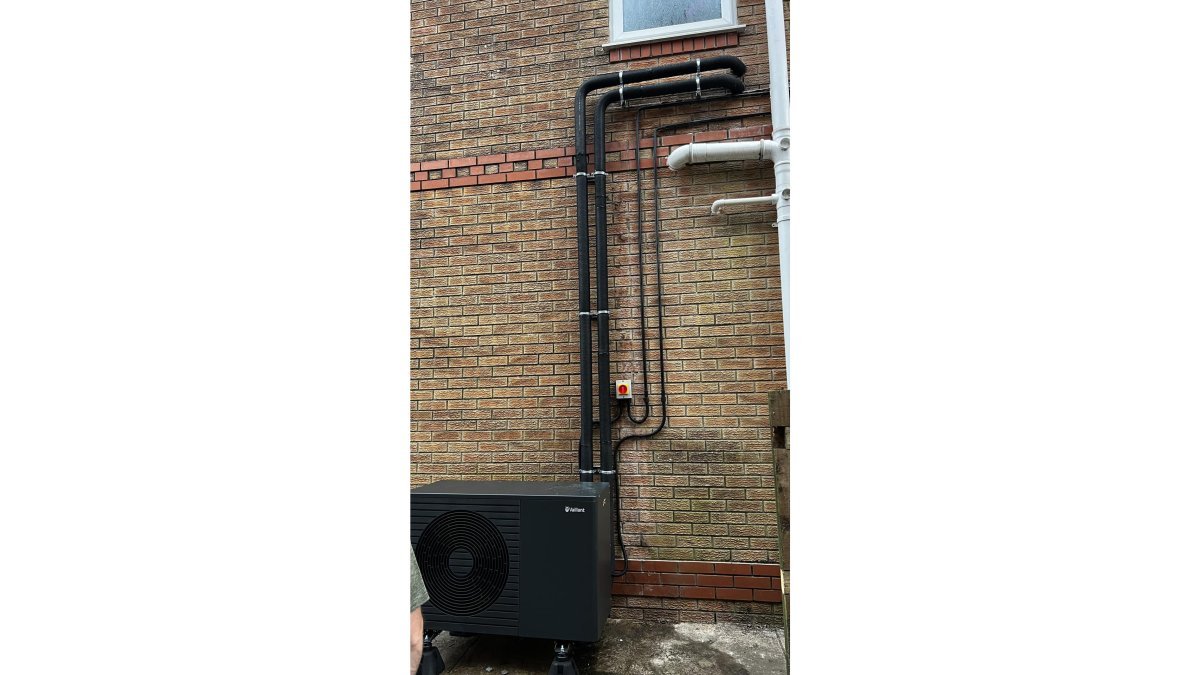
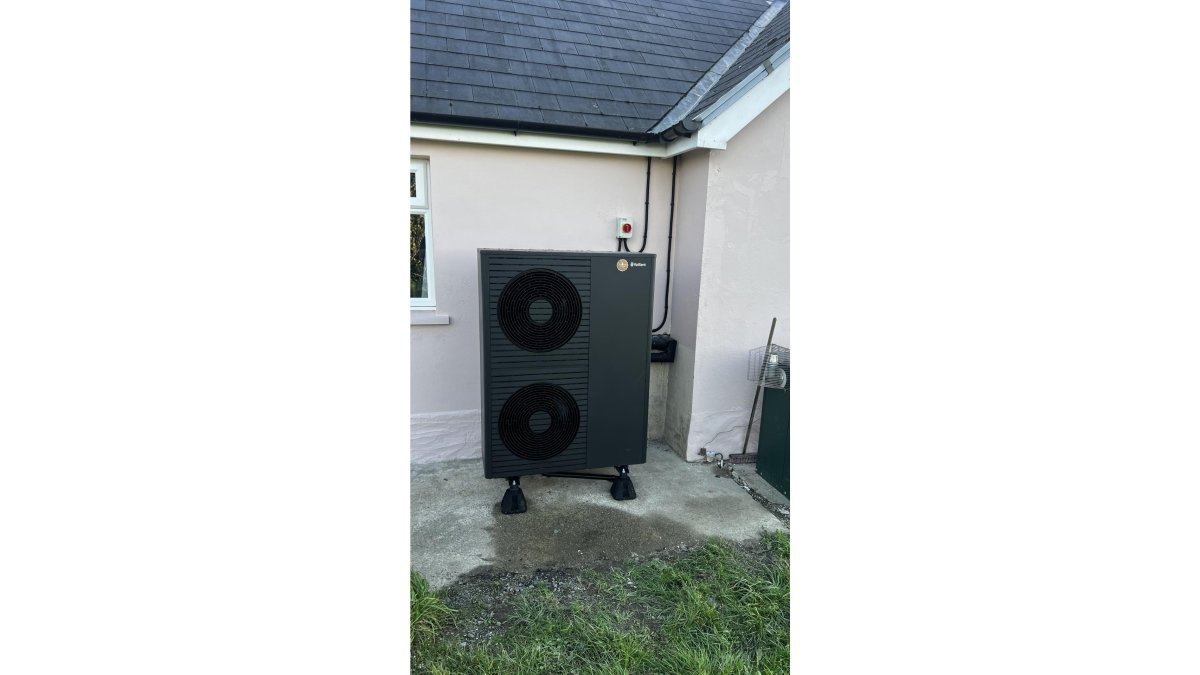
The outdoor unit (the compressor) needs a clear space, typically on an external wall or the ground. It requires good air circulation and shouldn't be blocked by fences, hedges, or other obstructions. Most properties have suitable locations, we assess this during the survey.
Your home needs adequate electrical capacity. A heat pump typically requires a 32-amp circuit and a dedicated consumer unit. If your electrics are outdated, an upgrade may be necessary, this is a one-time cost that's usually included in the installation quote.
Pipework runs from the outdoor unit to an indoor heat exchanger (usually in an airing cupboard or utility room). This is where the heat is transferred into your heating system. The installation takes 2 to 4 days depending on your home's layout and whether any structural work is needed.
Finally, MCS certification matters. Any installer claiming to be MCS-certified (as we are) has been independently verified to meet quality and competency standards. This certification is essential for accessing government grants and ensures your installation meets Building Regulations.
MCS Scheme requirements for heat pump installers
Key Factors to Consider When Choosing a Heat Pump
Several factors separate heat pump options for homes without gas that work well from those that disappoint.
System type. Air source heat pumps are the most common and cost-effective for residential properties. They work in almost all climates, including cold ones. ASHP systems are simpler to install than alternatives and don't require planning permission in most cases.
Installer quality. A heat pump is only as good as its installation. Poor workmanship leads to inefficiency, noise, and reliability issues. Choose an MCS-certified installer with proven experience in your area. Ask for references from similar properties.
Integration with your home. Does the system work with your existing radiators? Will you need new pipework or electrical upgrades? A detailed survey answers these questions before you commit to anything.
Remote monitoring. After installation, continuous monitoring and optimisation keeps your system running at peak efficiency. We provide 24/7 remote monitoring, adjusting settings based on your home's performance and weather conditions.
Warranty and support. Ensure your installer provides a comprehensive warranty covering parts and labour. Ask about ongoing support and how problems are resolved.
The choice isn't really about the heat pump itself, most modern units are reliable. It's about choosing an installer who understands your home, designs the system properly, and supports it after installation.
Getting Your Heat Pump Survey and Estimate
The first step is a proper survey. This isn't a quick walk-around; it's a detailed assessment of your home's heating needs and your property's suitability for a heat pump.
During the survey, we measure insulation levels, assess radiator capacity, check electrical infrastructure, and identify the best location for the outdoor unit. We also discuss your heating habits, comfort preferences, and any specific concerns you have.
From that survey, we produce a detailed design and estimate. You'll see exactly what system we're recommending, why we're recommending it, and what the installation will cost. You'll also see your projected annual running costs.
We carry out this survey for free, saving you £250. There's no obligation to proceed, the survey gives you the information you need to make a confident decision.
Many homeowners are also eligible for government grants that reduce the upfront cost. We'll assess your eligibility and guide you through the application process.
Frequently Asked Questions
Can a heat pump work well in a home without gas?
Yes. Air source heat pumps are highly effective for homes without mains gas, whether you currently use oil, LPG, or electric heating. They extract warmth from outside air and deliver it indoors, even in cold conditions. Homes without gas often benefit most from heat pumps because they typically have higher energy bills from fossil fuel heating. Many homeowners see savings of up to 70% on heating costs after switching.
Will a heat pump work with my existing radiators?
Heat pumps can work with existing radiators, but performance depends on your radiator size and system design. Larger radiators work better because heat pumps operate at lower water temperatures than traditional boilers. A professional heat loss survey determines whether your radiators are suitable or whether adjustments are needed. Some homes benefit from radiator upgrades or supplementary heating for peak performance.
How do I know what size heat pump my home needs?
A heat loss survey calculates your home's exact heating requirements by measuring insulation, window size, air tightness, and other factors. This data-backed approach ensures your heat pump is properly sized, too small and it won't meet demand, too large and it wastes energy and money. Professional surveys are an investment, though some installers offer free surveys when you contact them directly.
Can an air source heat pump replace an oil boiler?
Yes, air source heat pumps are an excellent replacement for oil boilers. They eliminate the need for oil deliveries and storage tanks, reduce carbon emissions significantly, and typically cost less to run. The Boiler Upgrade Scheme provides grants to help offset installation costs when replacing fossil fuel heating with heat pumps, making the switch more affordable for eligible homeowners.
The path from high heating bills to a reliable, efficient system is clearer than most homeowners realise. A heat pump works in almost every home without gas, integrates with your existing radiators, and delivers genuine savings. The key is getting the design right from the start. Contact Heatgeek Wales for your free survey and estimate, we'll show you exactly how much you can save and what your system will look like installed.
Click for your Instant heatpump estimate here
Add heatgeekwales.com as a preferred source on Google →

Comments