

How to Commission a Heat Pump: A Homeowner Checklist
Last Updated: November 5, 2026
Quick Summary
Heat pump commissioning is the final stage of an installation, where the engineer tests and sets up the system so it runs safely and efficiently in your home. It decides how well the system performs from day one, so check the handover carefully before the engineer leaves.
Commissioning covers wiring checks, refrigerant pressures, heating curves, hot water schedules and a full test cycle.
Ask the engineer to demonstrate each handover point before you sign off the installation.
Lower flow temperatures usually cut running costs, so change the setting in small steps over several weeks.
Keep the commissioning certificate and paperwork safe for warranties, insurance and future home sales.
Leave refrigerant, electrical and sealed-component work to a qualified engineer, not the homeowner.
Table of Contents
What Heat Pump Commissioning Involves
Commissioning is the final stage of a heat pump installation, where the engineer tests and sets up the system so it runs safely and efficiently in your home. Commissioning is the step that decides how well the system performs from day one.

Think of it as the difference between a car being delivered and a car being tuned for your roads. The unit may be fitted and connected, but it still needs its settings matched to your house, your radiators or underfloor heating, and your daily routine.
Checking that the outdoor and indoor units are wired and connected correctly
Confirming the refrigerant circuit and system pressures are within range
Setting heating curves, flow temperatures and hot water schedules
Testing the system through a full heating and hot water cycle
Explaining the controls and handing over the paperwork
If the installer skips any of these, the system may still work, but it may cost more to run and wear out sooner.
Heat Pump Handover Checklist: What to Check Before Your Installer Leaves
Before the engineer packs up, walk through the system together. Do not sign off until you understand what you are looking at.
A useful handover checklist covers the following:
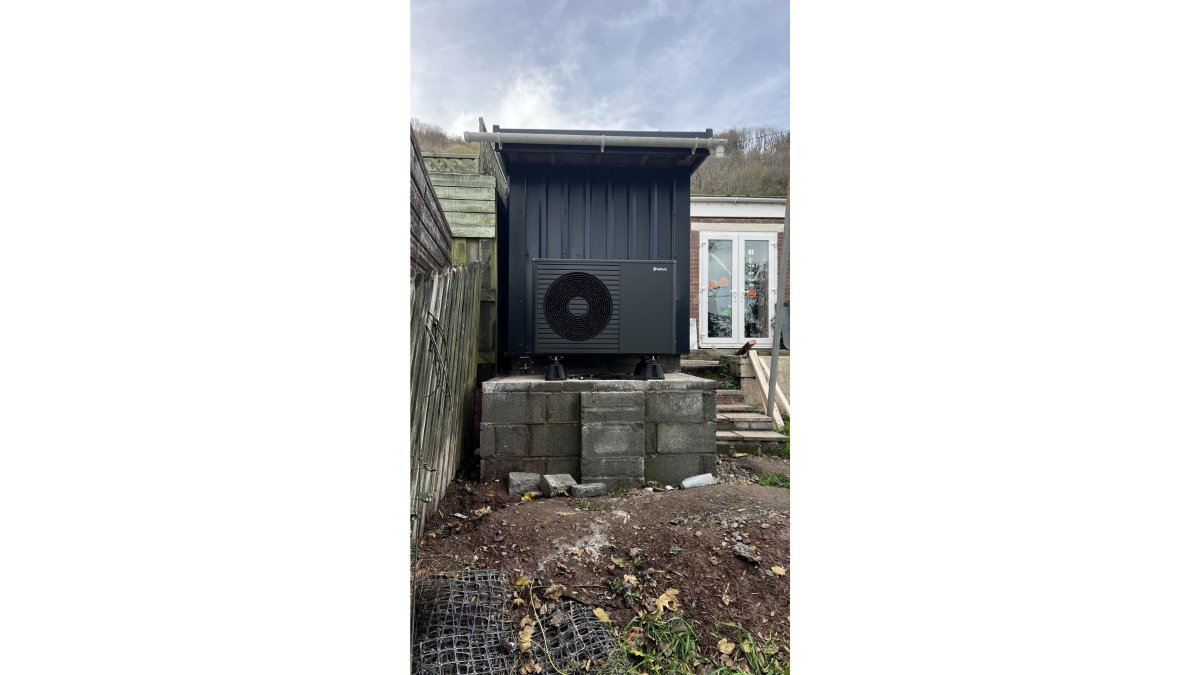
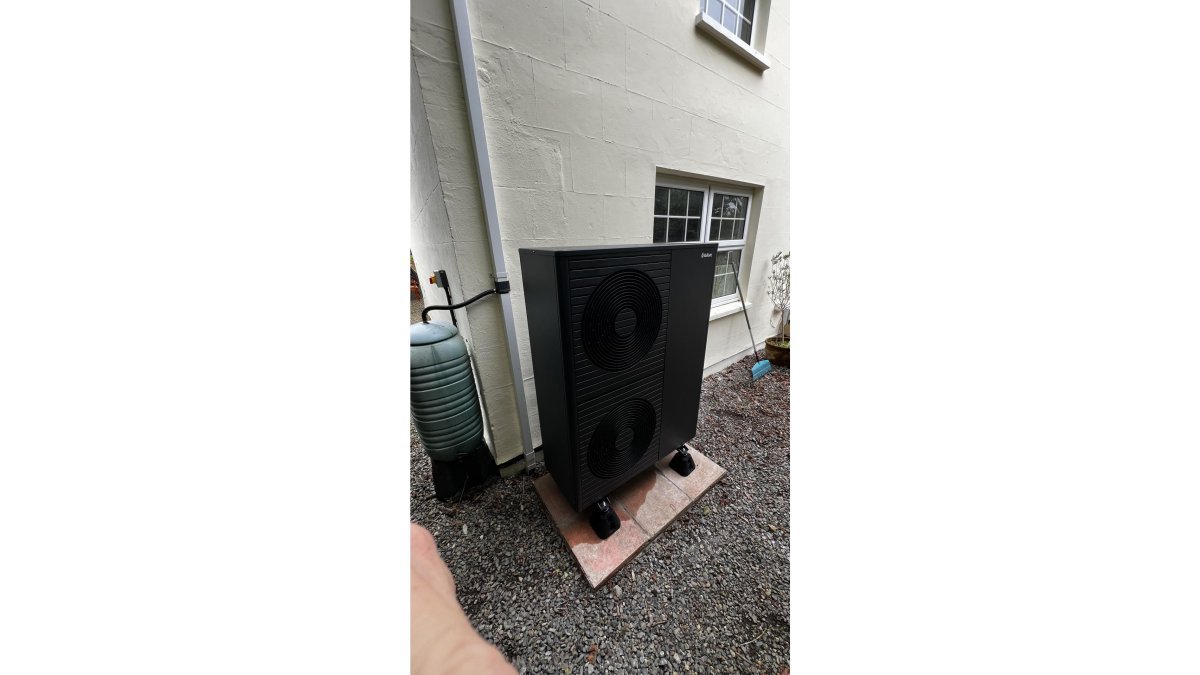
The outdoor unit is level, secure and has clear space around it for airflow
The indoor controls and display are working, and you know how to use them
Hot water is heating to the set temperature and the cylinder schedule is correct
Every room heats evenly, with no cold radiators or cold spots on the floor
You have been shown how to bleed radiators and check system pressure
The engineer has explained what to do if an error code appears
Ask the engineer to demonstrate each point. It is much easier to ask questions while they are still on site.
Setting Heat Pump Flow Temperature Settings for Your Home
Flow temperature is the water temperature the heat pump sends around your heating system. A lower flow temperature usually means lower running costs, but the house must still feel warm enough.
Settings are often adjusted over several weeks. You can find a deeper explanation of how to adjust flow temperature in how to set heat pump flow temperature. Heat pumps work best at lower flow temperatures, so your radiators may feel warm rather than hot. This is normal.
Watch out: raising the flow temperature to speed up warm-up often wastes energy. Change the setting in small steps and give the system time to respond.
Your engineer should explain the heating curve and set it to suit your property. If you have underfloor heating, see choosing and checking the right heat pump controls. If a room stays cold, ask whether the radiator needs upgrading rather than simply turning the temperature up.
Checking Your Heat Pump Commissioning Certificate and Paperwork
After commissioning, you should receive documents that record what was installed and tested. Keep these safe, as you may need them for warranties, insurance or future home sales.
Check that the paperwork includes:
The system make, model and serial numbers
The date of commissioning and the engineer's details
The settings applied, including flow temperature and hot water schedule
Details of any warranty and how to register it
Confirmation of any grant or scheme documentation where relevant
If something is missing or unclear, contact Heatgeek Wales before the paperwork goes into a drawer. It is far easier to fix a gap now than months later.
How Long Does Heat Pump Commissioning Take?
Commissioning usually takes a few hours on top of the physical installation, though the exact time depends on how complex your system is. To see where commissioning fits within the wider installation timeline from survey onwards, read the step-by-step installation timeline. A straightforward air source system in a small home takes less time than a larger property with several zones.

The engineer needs time to test each part of the system and to explain the controls to you. Rushing this stage is one of the most common reasons homeowners end up with an underperforming system.
Expect the engineer to stay until the system is running stably and you feel confident using it. If you are being hurried out the door, ask for the handover checks to be done properly.
Homeowner Tasks Versus Engineer Tasks After Commissioning
Once the engineer leaves, some tasks fall to you and others should stay with a qualified professional. For a practical routine to keep the system running well, see practical maintenance routine.
Your tasks are the visual and low-risk ones:
Keeping the outdoor unit clear of leaves, snow and debris, and checking that the clearance around it has not been blocked by bins, planting or stored items
Reading the system pressure gauge and noting the figure, rather than adjusting it
Watching for changes in noise, temperature or hot water performance and writing them down
Noting any error codes shown on the controls and passing them to your installer
Cleaning or rinsing any accessible filters the manufacturer's instructions say are homeowner-serviceable
Bleeding radiators where the system documentation says this is appropriate, and only with the system off and cool
Leave these to a qualified engineer:
Opening the refrigerant circuit or touching any sealed component. Refrigerant work requires proper certification, and handling it without that is unsafe (Fluorinated gas (F gas): guidance for users, producers and traders)
Any work on the electrical supply, wiring or internal controls beyond the settings covered at handover
Adjusting the charge, pressure or internal settings beyond what the handover guidance allows
Repairing or replacing components inside the outdoor or indoor unit
Watch out: tampering with sealed parts can void your manufacturer warranty and create a safety risk, and some warranties require servicing to be carried out by a competent person on a set schedule, check your system documentation so you know what is expected of you.
When a check fails, use a simple decision path rather than guessing:
If you see ice on the outdoor unit during a cold spell, note how long it lasts. Some frosting is normal during defrost cycles; ice that persists for hours or blocks the fan needs reporting
If you spot water, staining or an oily residue near pipework, switch the system off at the controls and call your installer, do not attempt to tighten anything yourself
If the pressure gauge has dropped noticeably, note the reading and report it. Do not top up the system yourself unless your documentation explicitly says how and permits it
If you hear a new grinding, rattling or gurgling noise, switch off and report it rather than running the system to see if it settles
If a room stays cold while others are warm, note which room and when, and raise it at the next service rather than turning the flow temperature up
Keep a note of the date, the reading or observation, and what you did. That record is what your installer needs to diagnose the issue quickly, and it is also useful evidence if a warranty question arises later.
The split between homeowner and engineer tasks after commissioning is summarised below.
Task | Who | Note |
Keep outdoor unit clear of debris | Homeowner | Check clearance around the unit |
Read system pressure gauge | Homeowner | Note the figure, do not adjust |
Note error codes | Homeowner | Pass them to your installer |
Open refrigerant circuit | Engineer | Requires proper certification |
Electrical or internal control work | Engineer | Beyond handover settings |
Repair or replace unit components | Engineer | Keep sealed parts untouched |
Persistent ice on outdoor unit | Report | Some frosting is normal |
Water or oily residue near pipework | Report | Switch off and call installer |
Your First Month With the System: Monitoring and Next Steps
The first few weeks show how well the system suits your home, but only if you record figures rather than impressions.
Record these each day, at roughly the same time:
The outdoor temperature first thing in the morning
The room temperature in two or three main rooms, morning and evening
The flow temperature shown on the controls, if your system displays it
The system pressure reading from the gauge
Your energy use for the day, from your smart meter or app, alongside the outdoor temperature
The house may feel slightly cool in the first week while the heating curve settles. Give the system several days at each setting before judging it, and change one thing at a time so you can tell what made the difference.
What to look for as the month progresses:
Energy use that rises steadily while outdoor temperatures stay similar is worth investigating
A flow temperature that creeps upward on its own, or a system that runs for much longer to reach the same room temperature, can point to a problem
Pressure that falls slowly over weeks is different from a sudden drop; note both, but a sudden drop warrants a call to your installer
Cold spots that persist in the same room after a schedule change suggest the heat emitter there needs attention rather than the whole system being turned up
Hot water that takes longer to reach temperature, or runs lukewarm, is worth reporting before it becomes a bigger fault
Share the log with your installer at the end of the first month.
Keep the log going at a lower frequency after the first month, a weekly note is usually enough, so that when something changes you can see when it started. That habit, more than any single check, is what keeps a system running efficiently over its life.
Booking Your Commissioning Check With Heatgeek Wales
If you are not sure your heat pump has been commissioned properly, or you want a second look at the settings, Heatgeek Wales can help. If customers contact us directly we will carry out the survey for free, saving them £250. To see what the survey involves before you book, read what happens during a heat pump survey.
Get in touch to book your commissioning check and make sure your system is set up for efficient, reliable heating from day one.
Frequently Asked Questions
What happens when a heat pump is commissioned?
Commissioning is the stage where the installer sets the system up to run as designed. The engineer checks refrigerant circuit pressures, confirms the outdoor unit is free of obstructions, sets the heating curve and flow temperature, tests the controls and balances the radiators or underfloor circuits. They then walk you through the thermostat and controls and leave you with the handover documents. A properly commissioned system should run quietly and heat your home evenly without constant manual adjustment.
What should be included in a heat pump commissioning checklist?
A thorough heat pump commissioning checklist covers the outdoor unit location and clearances, electrical connections, refrigerant and water pressure readings, flow and return temperatures, hot water cylinder settings, control programming and a demonstration of the system to you. Ask for the checklist to be completed and signed, and keep a copy with your installation paperwork. If any item is marked as failed, ask the engineer what the fix is and when it will be done before they leave.
How long does heat pump commissioning take?
Commissioning usually takes part of a day on top of the installation itself, although the time varies with the size of the system, the number of heating circuits and whether any adjustments are needed. Some engineers run the system for a period after the initial setup and return to fine-tune the settings once the home has settled. Ask your installer to explain how the commissioning visit will be scheduled and whether a follow-up adjustment is included.
Can I use my heat pump while it is being commissioned?
Your engineer will usually advise whether the system can be used during commissioning. In many cases the heat pump runs in test mode while settings are adjusted, so the house may not be heated evenly until commissioning is complete. Confirm with your installer what temperature you should expect during this period and when the system will be ready for normal daily use.
Comments